
Tech Explained | Fixed Mounts Haven't Exited, They're Just Not in the Spotlight
 Publish Time:2026-11-05
 Sources:Grace Solar
In recent years, the narrative of the PV mounting industry has been largely dominated by trackers. AI algorithms, wind tunnel testing… every term carries its own buzz. By comparison, fixed mounts seem too low-key, leading many to mistakenly believe they are fading away. But data doesn't lie. According to energy analysis firm Wood Mackenzie, global tracker shipments reached 134 GWdc in 2025, a record high. Yet even with such rapid growth, trackers' penetration rate in global new PV installations remains between 40% and 50%. This means that for every ten PV panels installed worldwide, five to six are still mounted on fixed structures.
The Only Answer on Rooftops
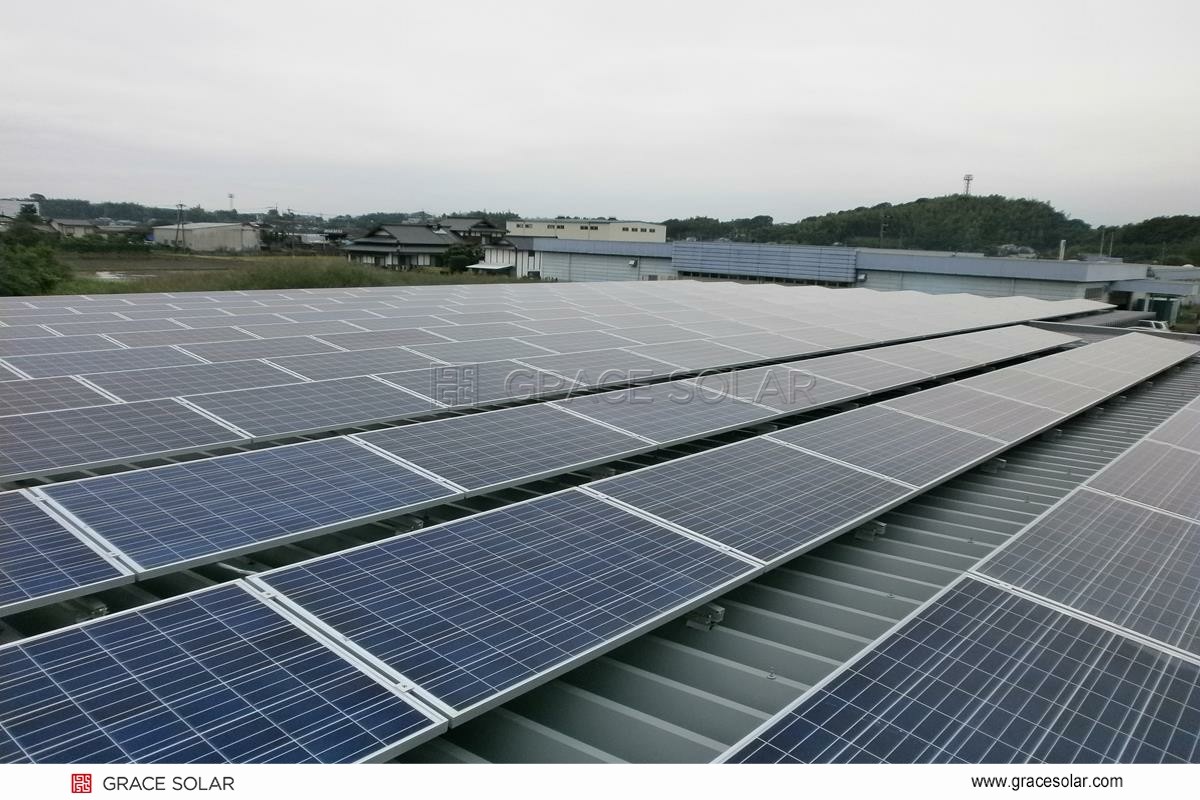
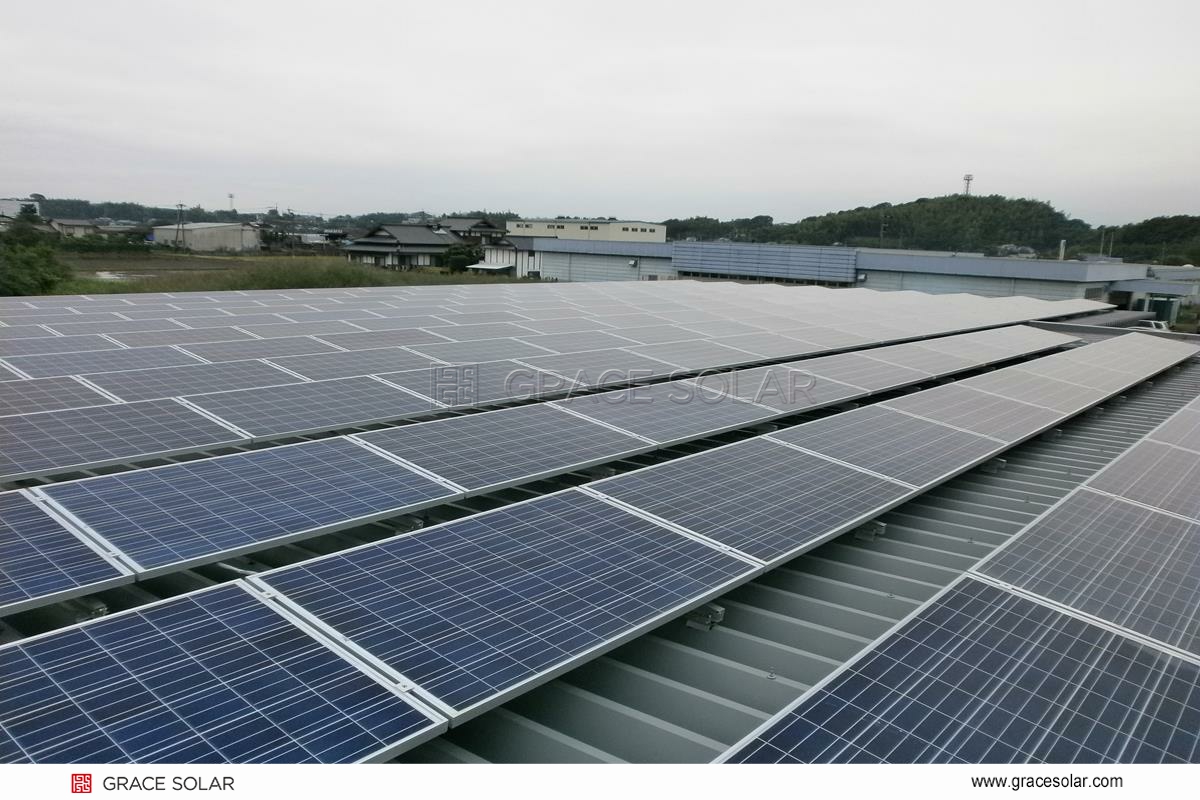
Trackers' generation gains are built on open ground and abundant sunlight. But on the roof of a color-steel factory building, or the flat roof of a concrete commercial building, the priorities shift. Roof waterproofing, structural loads, and uninterrupted business operations below take precedence over a few extra kilowatt-hours. Grace Solar's fixed mounting systems address precisely these "silent needs."
The Evolution of Fixed Mounts
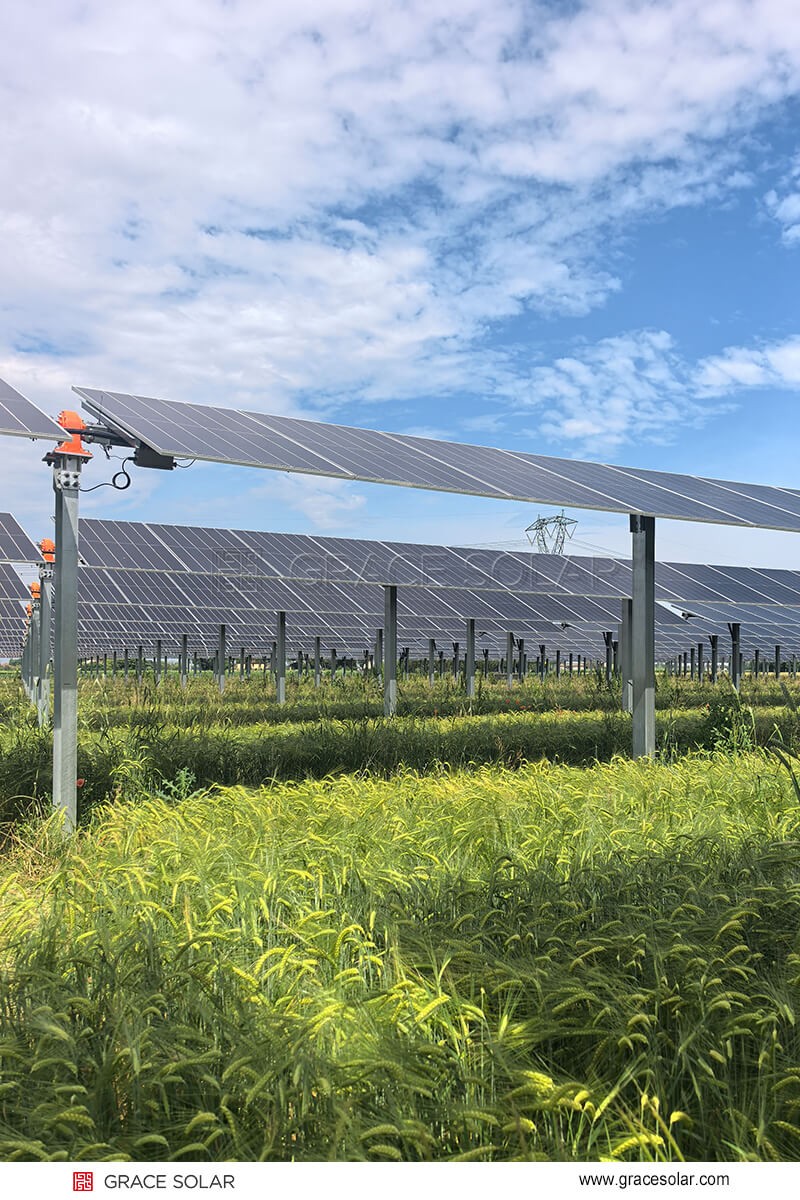
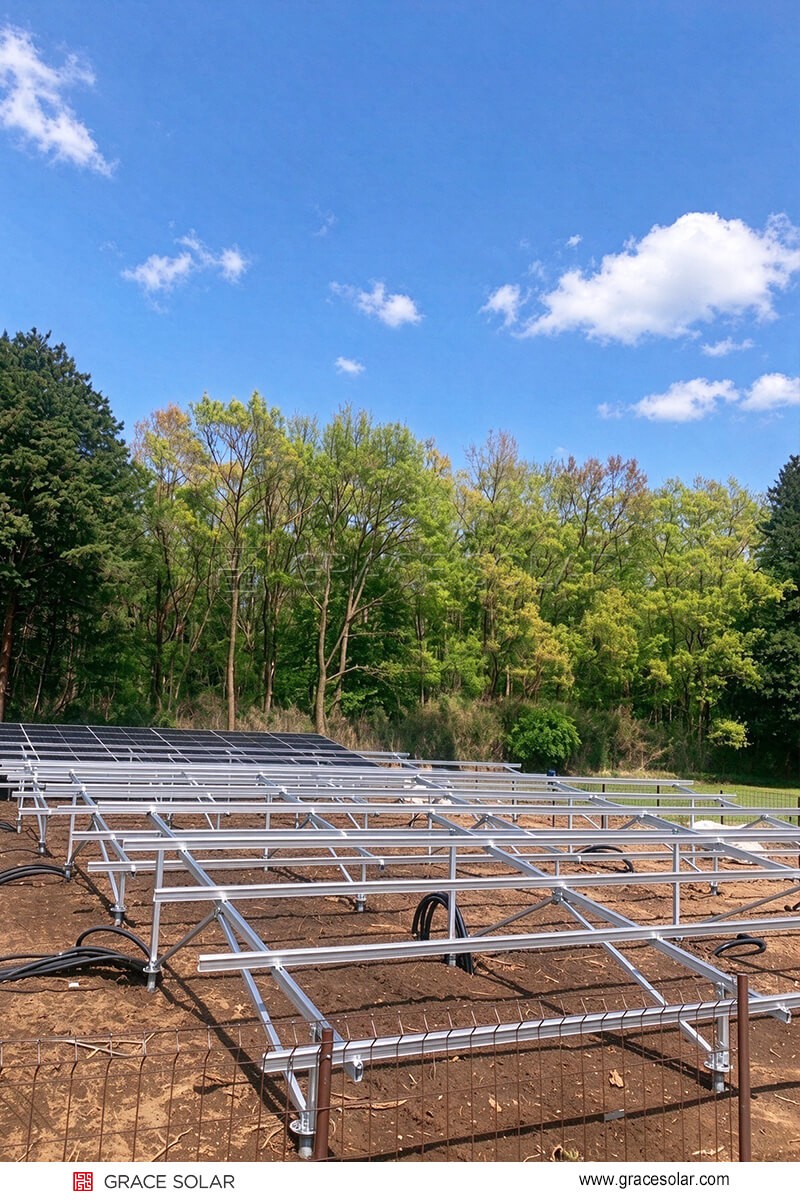
Fixed mounts for ground-mounted plants are also evolving, though these improvements are less eye-catching than tracker algorithm updates. Grace Solar's fixed mounting systems focus on rapid-install structures and standardized layouts, with its carbon steel series having repeatedly proven delivery efficiency in commercial and industrial projects worldwide. Even more imaginative are the "PV+" series: PV carports and agricultural sheds that transform mounts from load-bearing components into functional elements. Carports must simultaneously provide shade, generate power, and look aesthetically pleasing, while agricultural sheds must maintain structural stability while ensuring human and machine access. In such projects, the role of fixed mounts is to define a space, not just to hold up a row of PV panels.
Long-Term Reliability Advantage
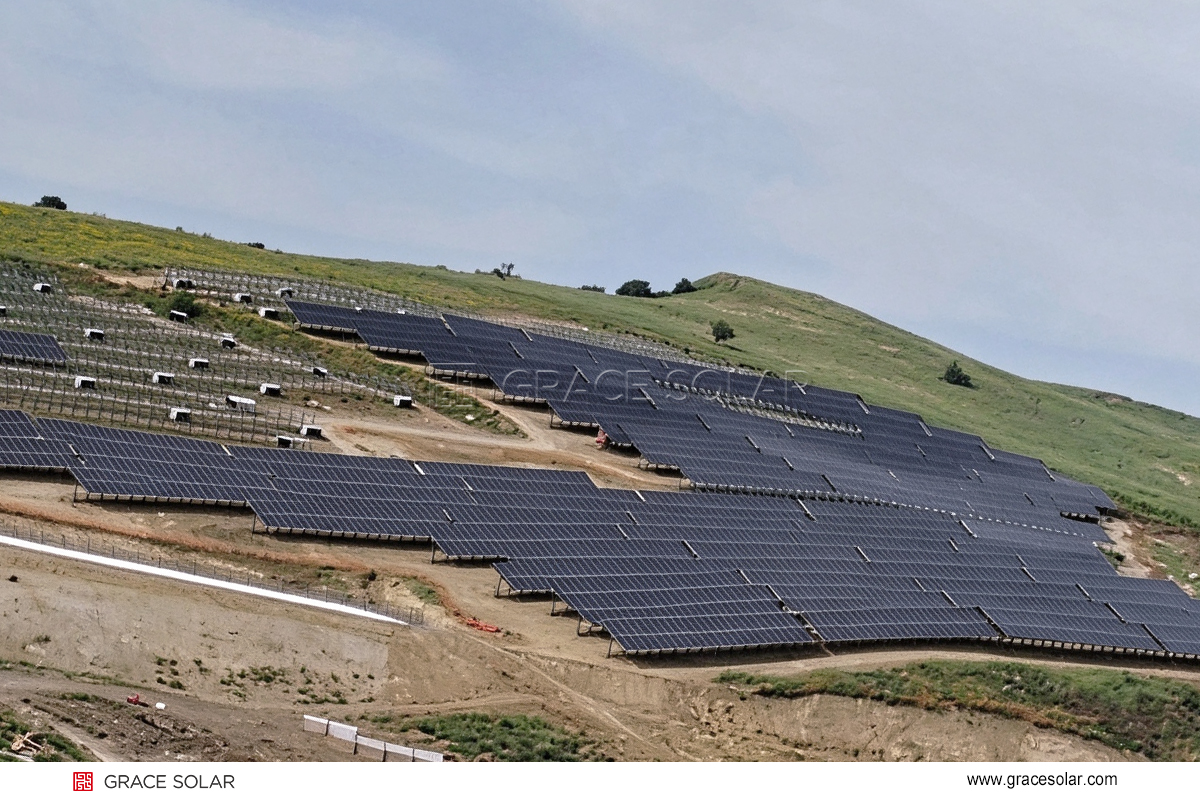
Distributed projects often have limited O&M capabilities, and any component requiring regular calibration or replacement of drive parts translates into a real management burden. Fixed mounts typically have a design life of over 25 years; simple structures mean fewer failure points, and fast installation means controllable labor costs. For investment-sensitive and limited distributed projects, the economic appeal of this choice is obvious.
Trackers may occupy the center of industry discussion, but rooftops, carports, and mountainous ground arrays still rely heavily on fixed mounts. The industry needs continuous innovation at the algorithm level, and also improvements in stability, installation efficiency, and durability of fundamental structural components.