
Household photovoltaic roof, teach you how to become rich in the roof
 Publish Time:2021-12-16
 Sources:garcesolar
The following 5 steps can simply predict whether the roof is suitable for installing distributed photovoltaic systems:
1. There is installation space on the roof, 3kw household photovoltaic power generation system needs 30 square meters, and 5kw household photovoltaic power generation system needs 45 square meters;
2. Installation roofs have property rights, villas and self-built houses must have roof property rights or provide roof property rights at township level and above suitable for installing household photovoltaic power generation systems; the property rights of collective shared resources such as residential houses and other roofs are not specific and unclear. The disputed roof is not suitable for installation.
3. The roof structure has a certain bearing capacity, and the additional weight of the roof is within 15 kg/m2;
4. There is no water leakage on the roof;
5. For roof selection, a flat roof facing east and south is preferred.
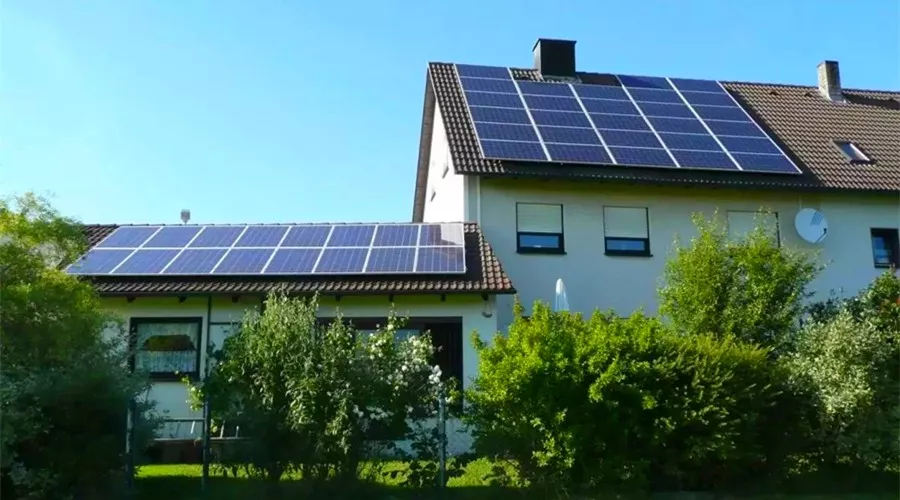
Environmental protection, pollution-free, stable income, beautiful appearance, heat preservation, etc. The benefits of photovoltaic power plants go far beyond this, especially in rural areas where photovoltaic power plants are installed on idle roofs. As long as there is a sunny day, the power plants are generating money to make money.
With the introduction of the "dual carbon" goal, distributed photovoltaics, which have shown a good momentum of development, will accelerate further. Among them, household photovoltaics is a subdivision force that cannot be underestimated.
It is true that the popularization of household photovoltaics is inseparable from the promotion of policies and the reduction of costs. In 2019, the National Energy Administration included photovoltaic bidding projects into the scope of subsidies in 2019, prompting the recovery of the household photovoltaic market, and the increase in output brought about by cost reduction has also become an important reason for stimulating the rapid development of household photovoltaics. For ordinary people, household photovoltaics have a natural "friendly" attribute. There is no consumption bottleneck. The construction and operation and maintenance are quite friendly. It is also possible to directly use idle residential roof resources to fully save land, realize direct grid connection and direct consumption on site, and reduce intangible losses caused by long-distance power transmission from the power grid.
If there is smog, can it still generate electricity normally?
The household photovoltaic power generation system uses the grid-connected inverter independently developed by CRRC, which has the function of solar panel maximum power tracking and low-light power generation. It can still generate power in fog or cloudy days, but due to the reduced light intensity, the power generation is reduced. Photovoltaic power generation is mainly determined by the irradiation intensity, sunshine time and working temperature of solar cell components. Due to the relatively weak sun exposure in haze days, the amount of power generation is relatively small. In winter, due to the sun angle problem, the shadow length is longer, the equivalent power generation hours are relatively small, and the power output is small. Generally speaking, to measure photovoltaic power generation, one needs to look at the annual average. Since the distributed photovoltaic system is grid-connected, the electric energy used by the user is provided by the grid and the photovoltaic system. Due to the inherent characteristics of electrical energy, the electrical energy generated by photovoltaics will be preferentially absorbed. When the photovoltaic power supply is insufficient or missing, the grid will automatically and steadily supply users, so there is no impact on electricity consumption throughout the day. If the power generation during the day cannot meet the daily power demand, and the photovoltaic system does not generate power at night, distributed photovoltaic power users can enjoy the power supply of grid companies like other ordinary power users, and the price will not be biased.
The normal working state of the grid-connected series inverter is that it will only output power when the grid has power. After the grid is cut off, the photovoltaic power generation system will automatically stop and disconnect from the grid, and the inverter will automatically detect the grid status. After the grid returns to normal, the photovoltaic power generation system will automatically resume operation without manual intervention.
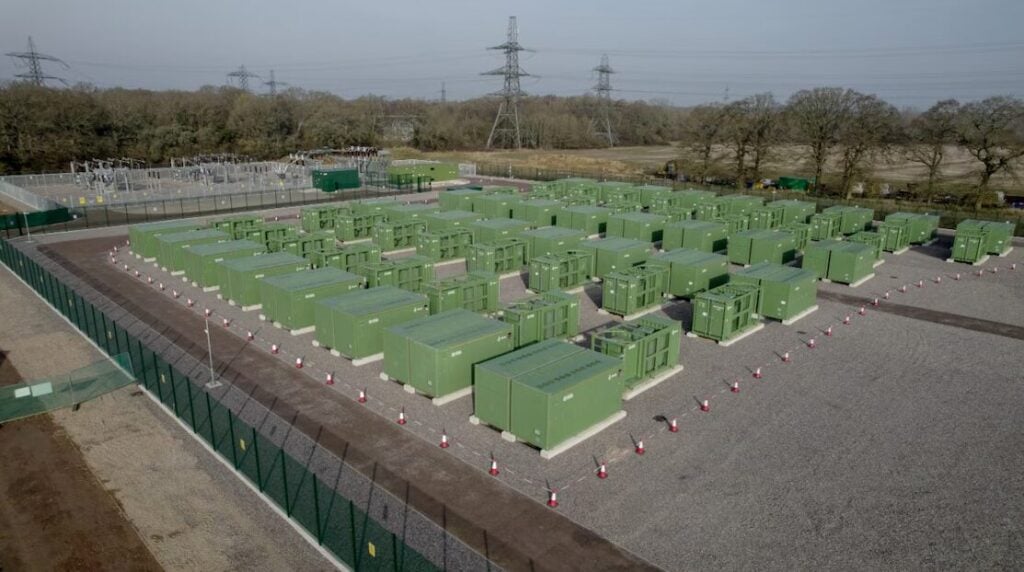
If you are worried about power outages, you need to install household photovoltaic power generation systems and energy storage systems. During the day, the electricity generated by the photovoltaic power generation system is stored in the energy storage system, and the power supply of the energy storage system to the electrical equipment is not restricted by the grid.
The income of distributed photovoltaic power generation is divided into two parts: state subsidies and electricity sales income (including self-use electricity fee and online electricity sales income). For distributed photovoltaic grid-connected power generation systems, the state subsidy is a uniform electricity subsidy of 0.42 yuan per power generation, the online price of electricity sold is the price of desulfurized coal (0.45 yuan/kWh in Hunan), and the electricity fee for self-use is the price of self-use electricity.
The generated photovoltaic power is given priority to domestic electrical equipment, and the remaining part is uploaded to the power grid for unified dispatch by the power grid. The metering device is installed by the power grid, and the total amount of photovoltaic power generation and the corresponding subsidies and electricity sales revenue are settled by the power grid on a monthly (or quarterly) basis, that is, "receiving electricity from the grid".