

Tech Explained | The Survival Code of PV Mounting Systems: Strategies Against Extreme Climate
 Publish Time:2026-08-26
 Sources:
The long-term profitability of a PV power plant is built on structural safety, and among all external factors affecting structural safety, climatic conditions pose the greatest uncertainty. Instantaneous wind speeds may exceed design values; snow accumulation may break historical records; lightning strike frequency may far exceed initial estimates. This uncertainty cannot be eliminated—only managed through rigorous wind load simulations, snow load calculations, lightning protection and grounding designs, and anti-corrosion strategies.
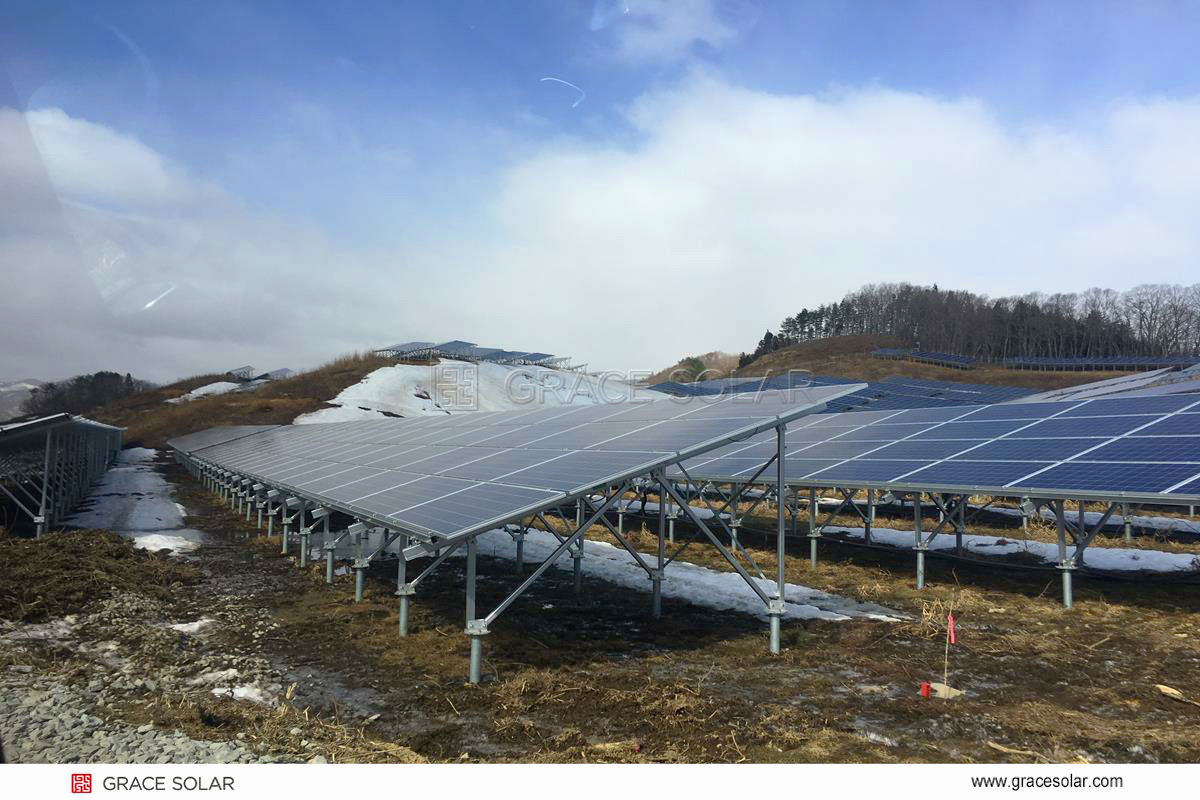
Heavy Snow: Snow Loads and Structural Verification
In high-latitude and high-altitude regions, heavy winter snowfall and prolonged accumulation create a cumulative effect on mounting structures. Wet snow continuously deposits on PV panel surfaces—if not shed promptly, the increasing thickness and load build-up can exceed the bearing limits of beams and columns. Therefore, the tilt angle of PV panels must be optimized to facilitate snow shedding; with a steeper angle, accumulated snow slides off more easily under gravity, effectively preventing excessive load accumulation.
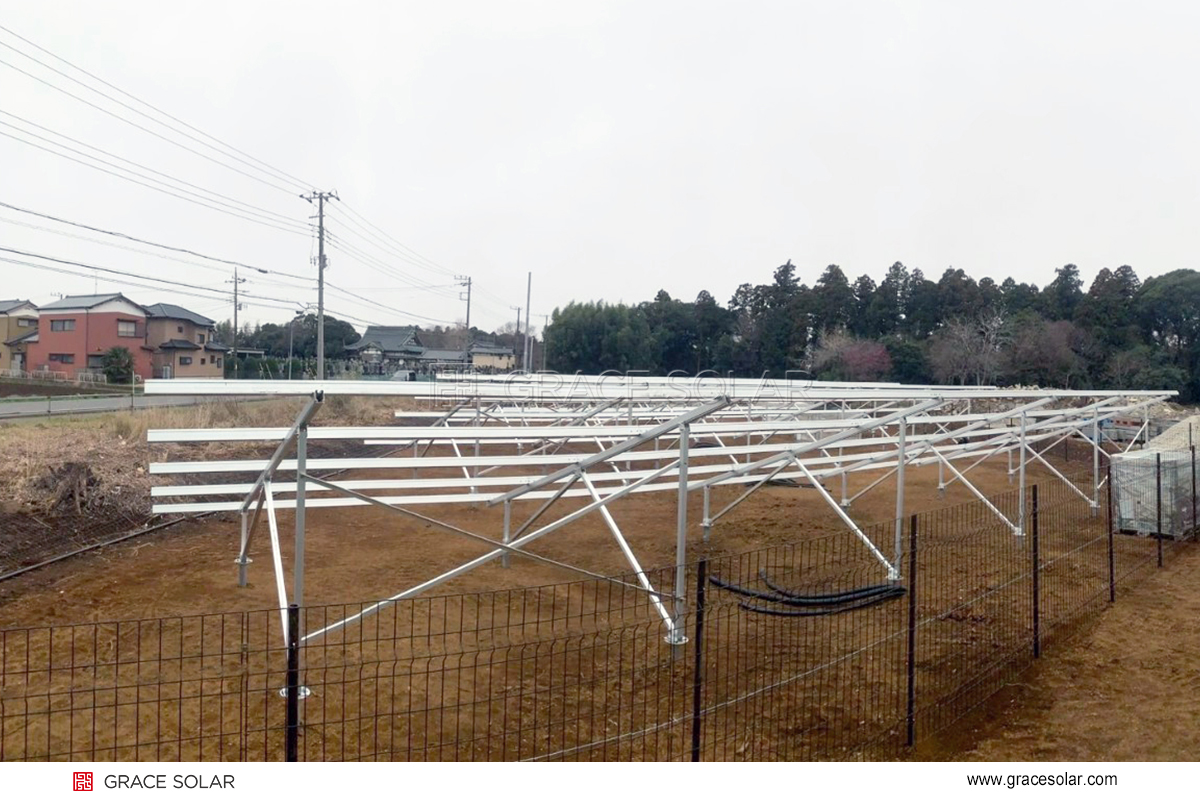
High Winds: Wind Loads and Foundation Anchoring
Wind load is a dominant design factor for PV mounting systems. Basic wind pressure varies drastically across regions—often differing by several times between inland and coastal areas, with extreme wind speeds along tropical cyclone paths far exceeding normal meteorological conditions. Wind resistance design must be based on the site-specific basic wind pressure, determine the wind pressure distribution across the array's surface through full-field numerical simulation, and accordingly verify the system's strength, stiffness, and stability.
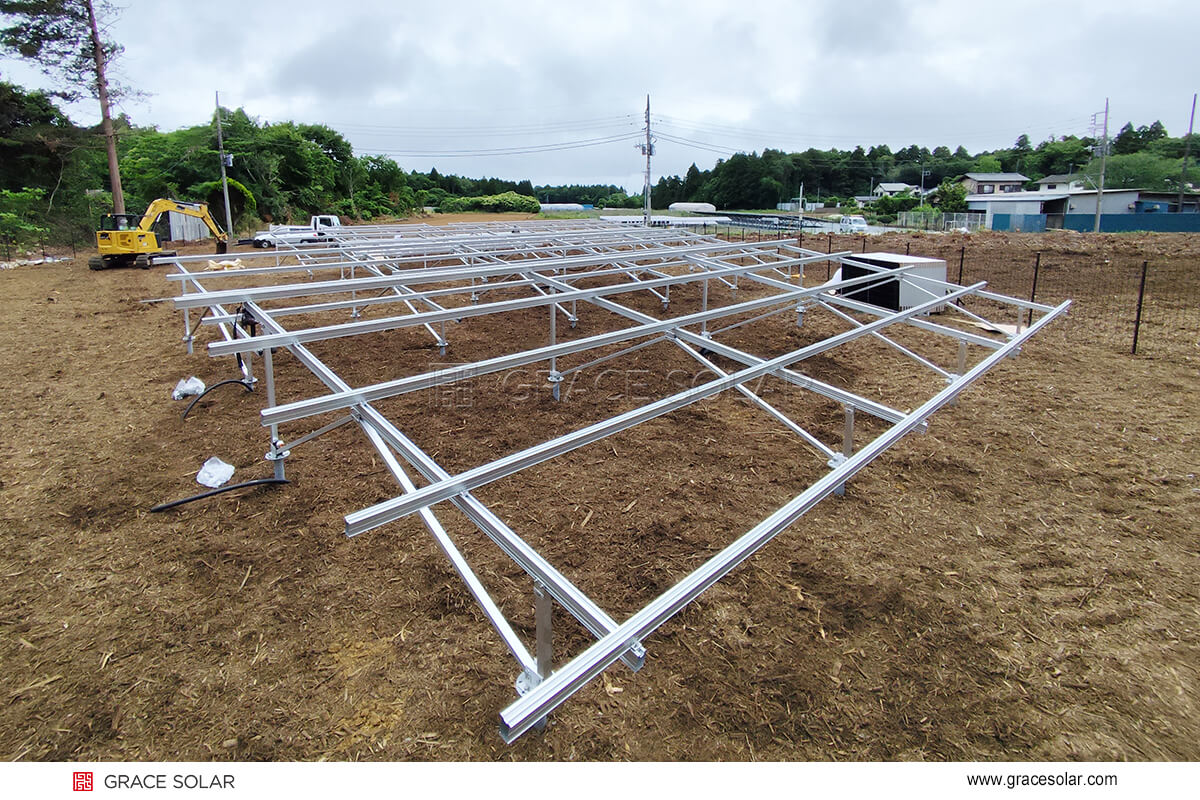
Lightning Strikes: Protection and Grounding
PV mounting systems and their supporting module arrays, spanning large open areas, often form the tallest metal structures in the region—exhibiting natural lightning-attracting characteristics. In open field environments, with no surrounding buildings to act as lightning shields, the risk of lightning strikes is far higher than in urban or industrial areas. Lightning protection and grounding are non-negotiable requirements for PV mounting systems. The technical solution must ensure complete electrical connectivity across the entire array, with multiple-point centralized grounding, connecting all mounts via bonding conductors into a continuous electrical path, then dispersing lightning strike currents into the earth through multiple grounding electrodes.
The diversity of climate conditions dictates that there is no one-size-fits-all design for PV mounting systems. Each technical measure must be quantitatively analyzed and experimentally validated against the specific climatic parameters of the project site. To date, Grace Solar has successfully installed over 48GW across more than 100 countries and regions. Only by fully identifying and addressing climatic risks at the design stage can PV mounting systems reliably maintain their structural support function throughout decades of service—ensuring the safe, stable, and efficient operation of every power station.
Spotlight News
-
Expo Focus | A Quick Look at Grace Solar at Solar & Storage Live: Full-Scenario Solutions
2026-09-24 -
Project Spotlight|Grace Solar Carbon Steel Mounting System Powers Low-Carbon Development in Chiba, Japan
2026-09-15 -
Global View|Middle East Market Expands Further, PV Mounting Systems Enter a New Window
2026-09-02