

Market Pulse|COP30 Unveils a New Chapter in Energy, with Solar Power at the Heart of the Transition
 Publish Time:2025-11-20
 Sources:
At the 30th United Nations Climate Change Conference (COP30), 11 economies including the European Union, China, the United Kingdom, Canada, and Chile jointly announced their participation in the "Open Coalition on Compliance Carbon Markets" initiated by Brazil. This initiative aims to coordinate carbon pricing mechanisms and emissions trading systems among participating countries, promoting the establishment of an interconnected, transparent, and credible global compliance carbon market system.

"Carbon Pricing Mechanism and Emissions Trading" is a type of environmental economic policy. The carbon pricing mechanism sets a price for carbon dioxide emissions based on the principle of "whoever emits, pays." Emissions trading involves governments setting a cap on the total carbon emissions for a region or industry over a specific period and distributing or auctioning corresponding emission allowances. These allowances can be traded between companies. The core of this system is to control total emissions and let the market determine the carbon price. As carbon price signals become increasingly clear, the high cost of emissions will incentivize companies to transit to clean energy, thereby providing sustained momentum for the development of new energy sources at the economic level.

Global Renewable Energy Targets Face an Implementation Gap
According to data disclosed during the conference, to achieve the UAE Consensus target of 11.2 terawatts (TW) of global renewable energy installed capacity by 2030, the current Nationally Determined Contributions (NDCs) of countries need to be collectively enhanced by over 60%. As of November 2024, the submitted NDC targets from various parties plan to increase global renewable energy installed capacity from 4.4 TW in 2024 to approximately 6.9 TW by 2030, indicating a significant gap compared to the target value.
Photovoltaic Industry Enters a Window for Quality Upgrades
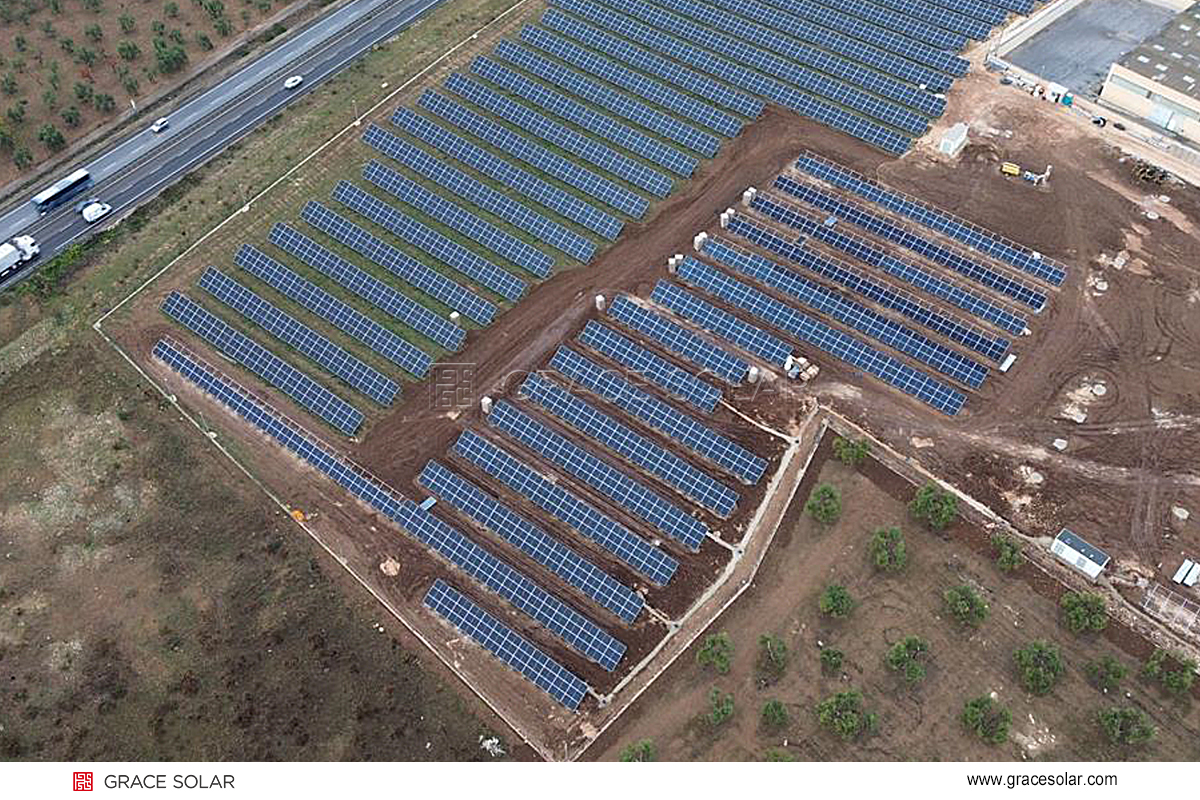
As global renewable energy construction accelerates, the large-scale deployment of photovoltaic (PV) power plants is placing higher demands on key infrastructure. Particularly against the backdrop of gradually maturing carbon market mechanisms, the carbon price transmission mechanism directly converts the emission reduction benefits of new energy projects into economic gains. The long-term reliability and power generation efficiency of power plants are directly linked to the realization of these emission reduction revenues.
Grace Solar Responds to Market Changes with Innovative Technology
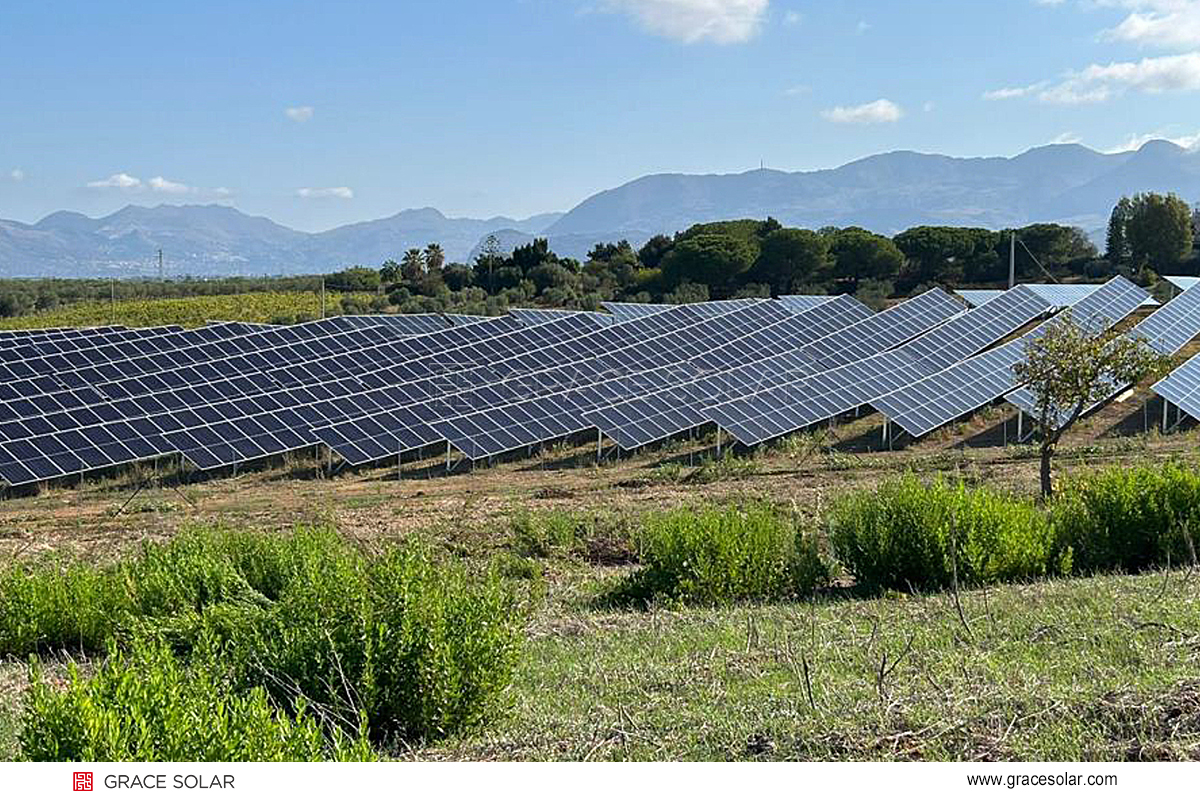
As a global enterprise in the PV mounting sector, Grace Solar's mounting systems combine excellent corrosion resistance with rapid installation features, providing infrastructure support for multiple large-scale PV projects worldwide. "In the context of the gradually forming unified carbon market mechanism, we are optimistic about the market demand for high-performance mounting systems," said the Technical Director of Grace Solar. "Our products are helping investors maximize emission reduction revenues and return on investment by enhancing power plant construction efficiency and long-term reliability."
With the convening of COP30 and the establishment of the carbon market alliance, the global energy transition process is expected to accelerate further. Driven by both policy and market forces, the PV mounting industry is set to usher in a new round of technological upgrades and market expansion opportunities.
Spotlight News
-
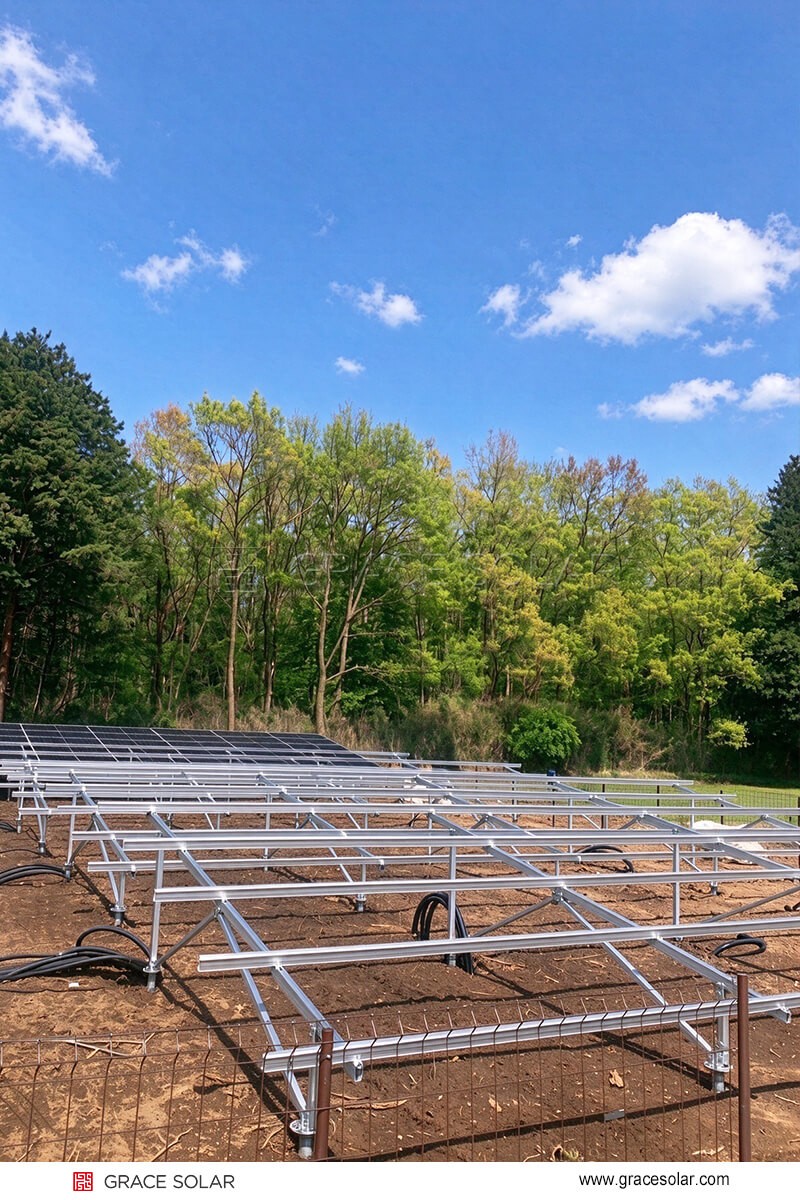
Project Spotlight | Japan PV Practice: Grace Solar Supports Ibaraki's Green Upgrade
2026-10-19 -

Expo Focus | A Quick Look at Grace Solar at Solar & Storage Live: Full-Scenario Solutions
2026-09-24 -
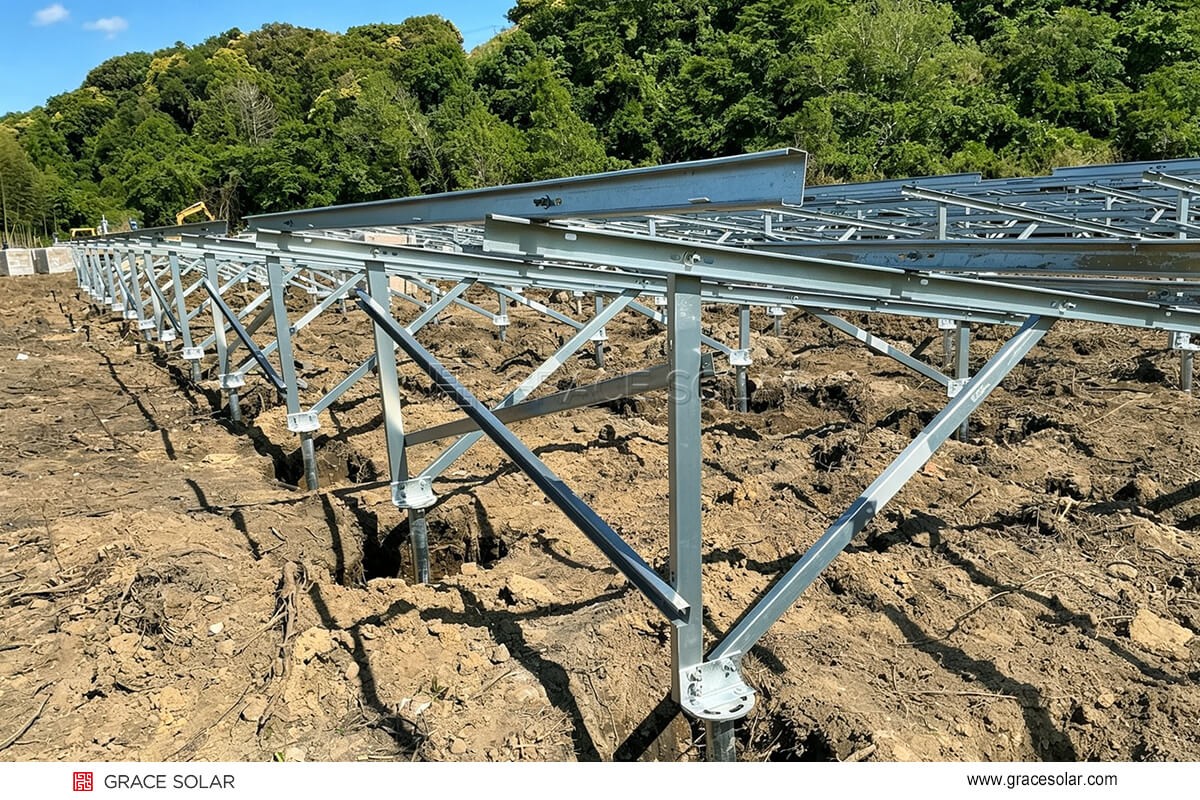
Project Spotlight|Grace Solar Carbon Steel Mounting System Powers Low-Carbon Development in Chiba, Japan
2026-09-15