

Tech Explained | "Unsupportable" Misconceptions in PV Mounting Systems
 Publish Time:2025-09-12
 Sources:
The photovoltaic industry is experiencing an unprecedented wave of development, but beneath this seemingly bright blue ocean, hidden risks are everywhere. Many professionals are easily misled by deep-rooted "industry consensus," leading to repeated pitfalls in actual project operation. This article systematically outlines four common cognitive misconceptions in the field of photovoltaic mounting systems, aiming to help industry practitioners break through the limitations of experience and make more scientific technical decisions.
Misconception 1: Mounting Systems Are Merely "Support Structures" with Low Technical Complexity
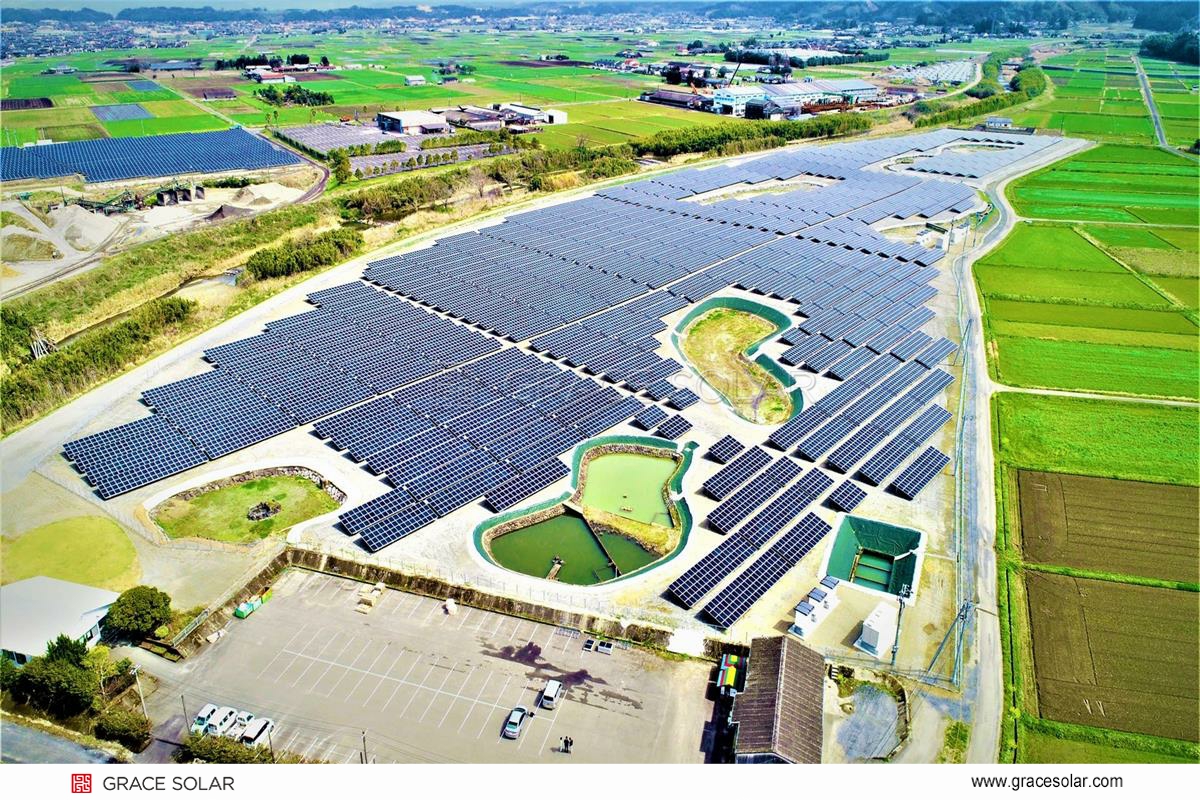
In fact, a high-quality photovoltaic mounting system requires multidisciplinary knowledge, including structural mechanics, materials science, and environmental engineering. Additionally, compatibility issues with components must be considered, as the mounting system must provide sufficient adjustment margins and structural redundancy. This means that mounting systems are by no means simple support structures but core technical systems requiring precise calculations, professional selection, and forward-looking design. Any oversight in technical parameters could result in hidden losses amounting to millions or even tens of millions.
Misconception 2: The thicker the steel, the stronger the wind resistance of the mounting system.
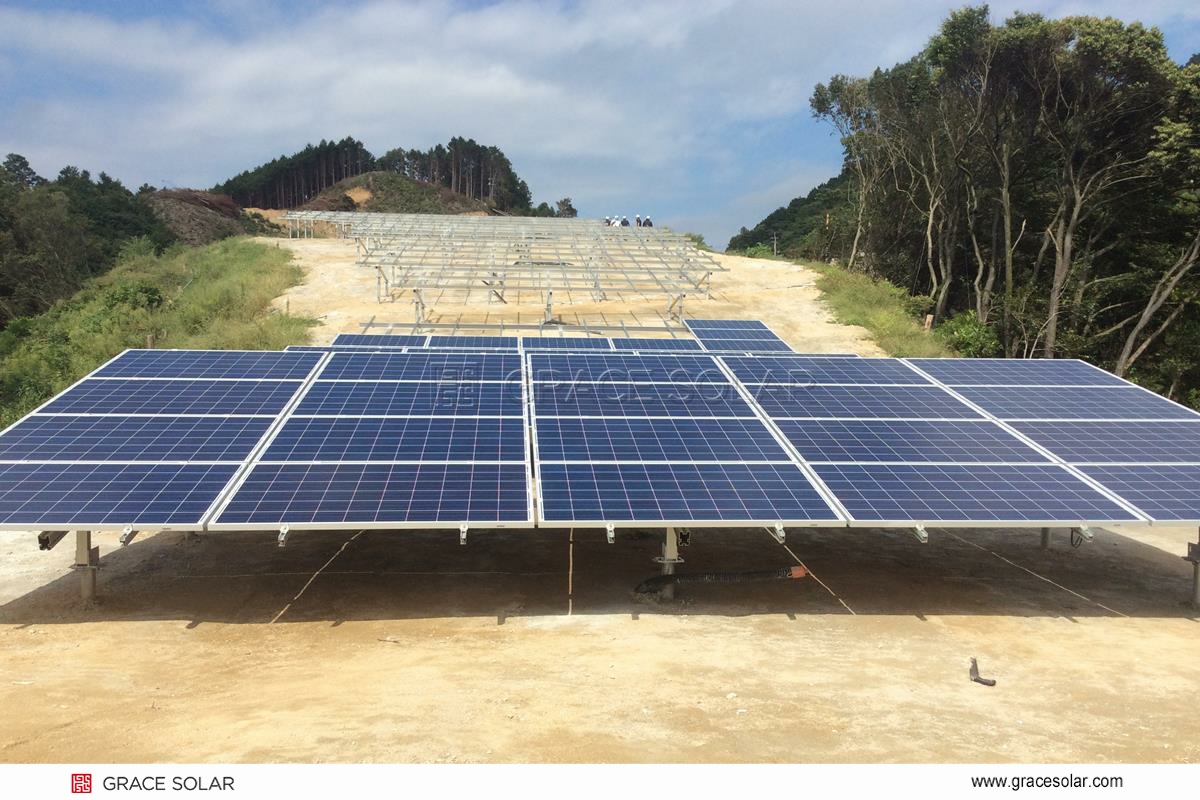
In coastal or high-wind regions, project developers often opt for thicker steel to enhance wind resistance, equating "weight with safety." However, recent wind tunnel tests and real-world data have overturned this traditional belief. One lightweight aluminum alloy system, optimized for aerodynamic design, achieved a 40% reduction in weight while outperforming conventional heavy steel structures in wind resistance. The key to wind resilience lies in scientific structural design, not merely material bulk.
Misconception 3: The lower the cost of the mounting system, the better the overall economics of the project.
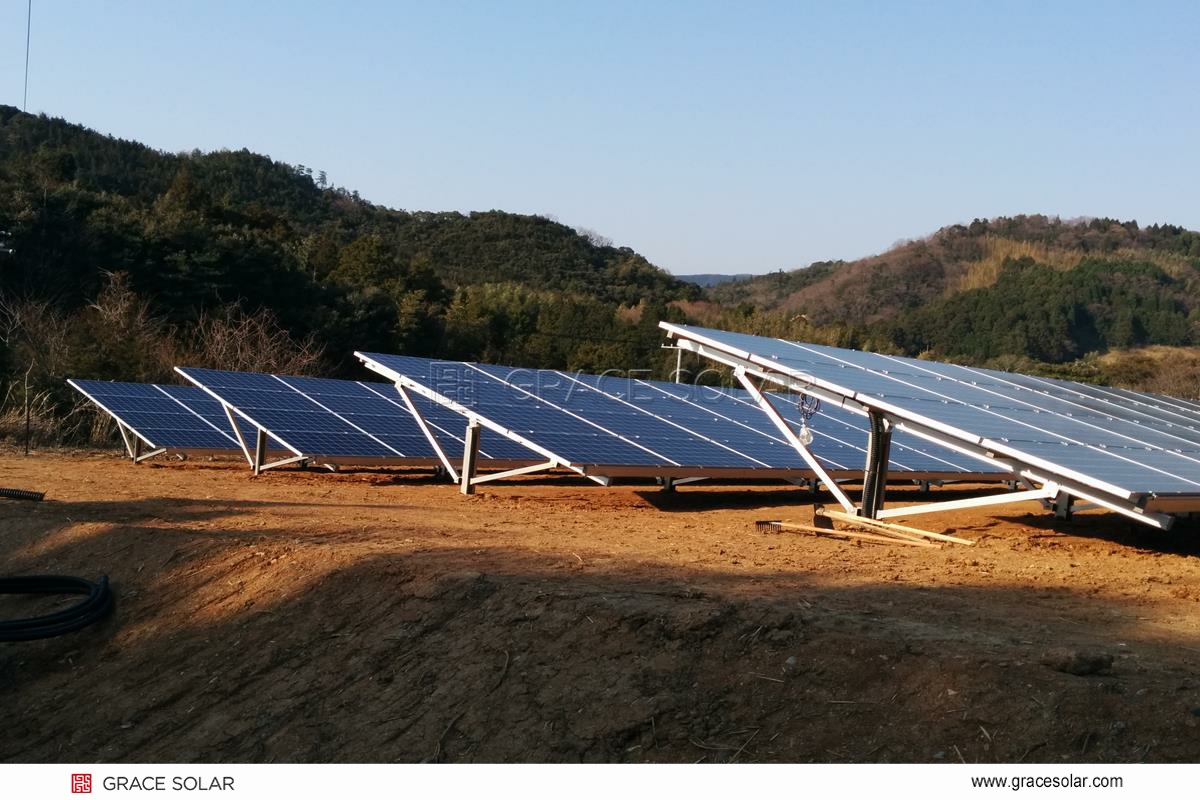
Photovoltaic mounting systems are often regarded as an area where costs can be compressed. However, low prices often conceal higher hidden costs. For instance, in one ground power station project, the use of a low-cost mounting system led to excessively large tolerances in hole positions during installation, significantly reducing component installation efficiency and increasing labor hours by 15%. Ultimately, the overall cost exceeded that of higher-quality alternatives.
Misconception 4: Is a thicker anti-corrosion coating always better?
In the anti-corrosion design of mounting systems, a simplified perception prevails in the industry: "The thicker the coating, the longer the lifespan." However, in different environments such as industrial areas, coastal regions, or deserts, anti-corrosion solutions require tailored approaches. Blindly pursuing coating thickness not only increases costs but may also be counterproductive. Effective anti-corrosion design should involve precise matching of material properties with environmental requirements.
Breaking away from ingrained perceptions and examining the photovoltaic mounting system from a scientific and full life-cycle perspective is the key to ensuring the safety and returns of a power plant. As a technology-driven brand with years of industry expertise,?Grace Solar?has always been committed to helping customers avoid potential risks and enhance the overall value of their systems through innovative design and rigorous engineering. Choosing a truly reliable mounting solution is not only a wise move to avoid "hidden reefs" but also a solid step toward a high-quality energy future.
Spotlight News
-
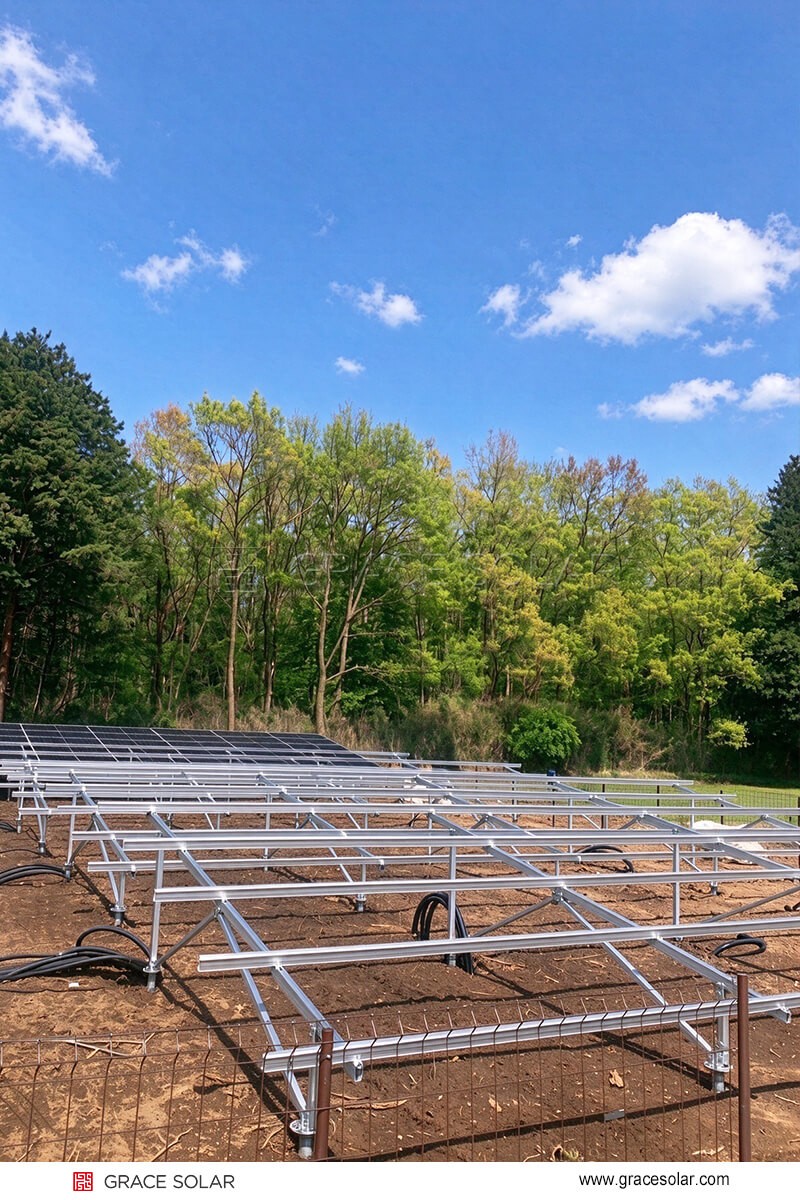
Project Spotlight | Japan PV Practice: Grace Solar Supports Ibaraki's Green Upgrade
2026-10-19 -
Expo Focus | A Quick Look at Grace Solar at Solar & Storage Live: Full-Scenario Solutions
2026-09-24 -
Project Spotlight|Grace Solar Carbon Steel Mounting System Powers Low-Carbon Development in Chiba, Japan
2026-09-15