

Mounting System Guide | When PV Mounts Choose to "Travel Light"
 Publish Time:2025-08-04
 Sources:
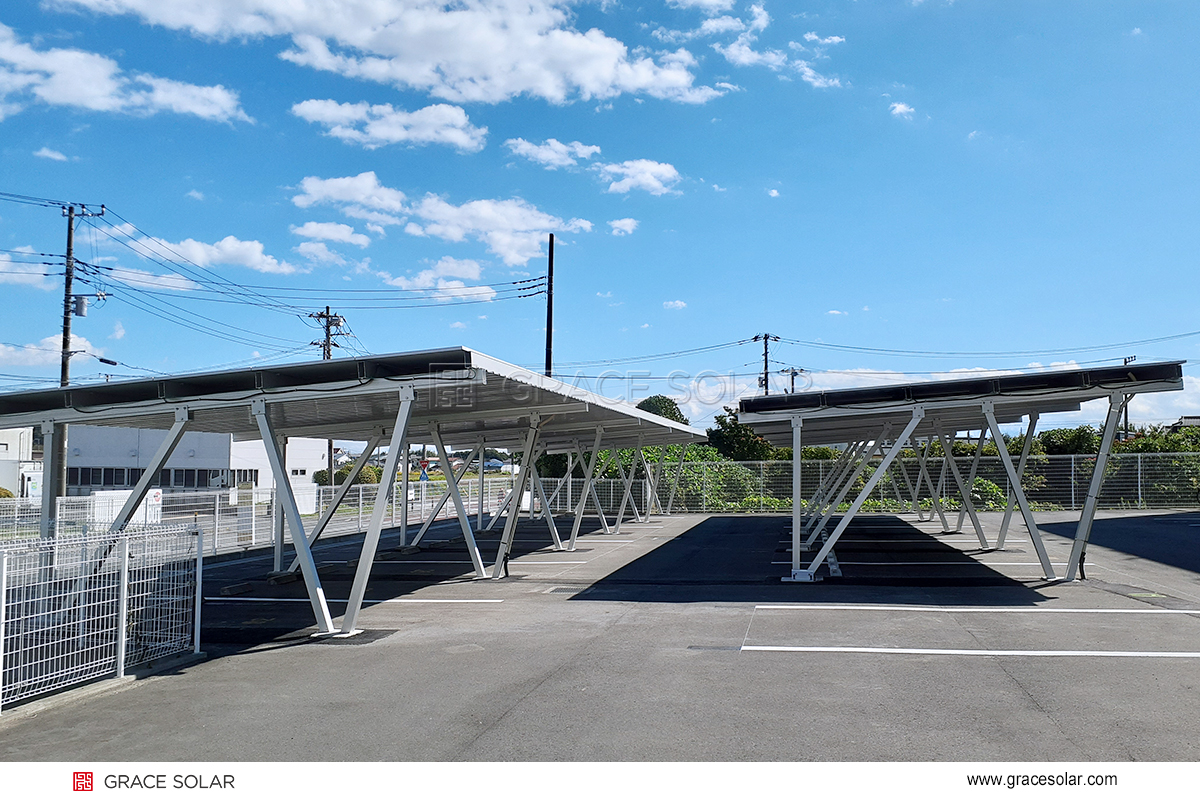
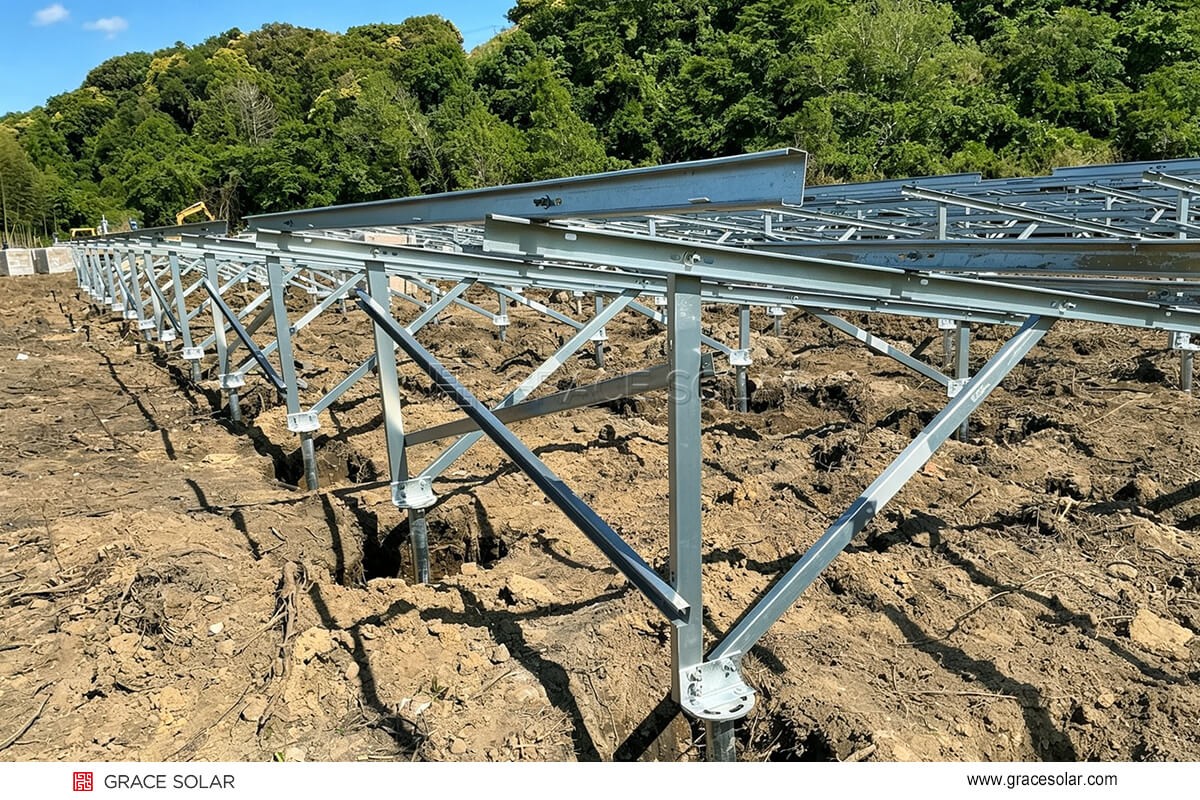
Aluminum alloy is widely used in PV projects due to its lightweight, high strength, strong durability, corrosion and oxidation resistance, and ease of installation. Additionally, Its excellent plasticity allows us to design and manufacture a variety of cross-sections through molds, balancing weight reduction and cost reduction with strength requirements.
1. Corrosion in Humid Regions?
Improve the coating process or increase the coating thickness, such as through anodizing, electrophoresis, composite film and other processes, to form a coating on the surface of the aluminum bracket to improve the corrosion resistance of the parts
2. Impact of Heavy Snow and Storms?
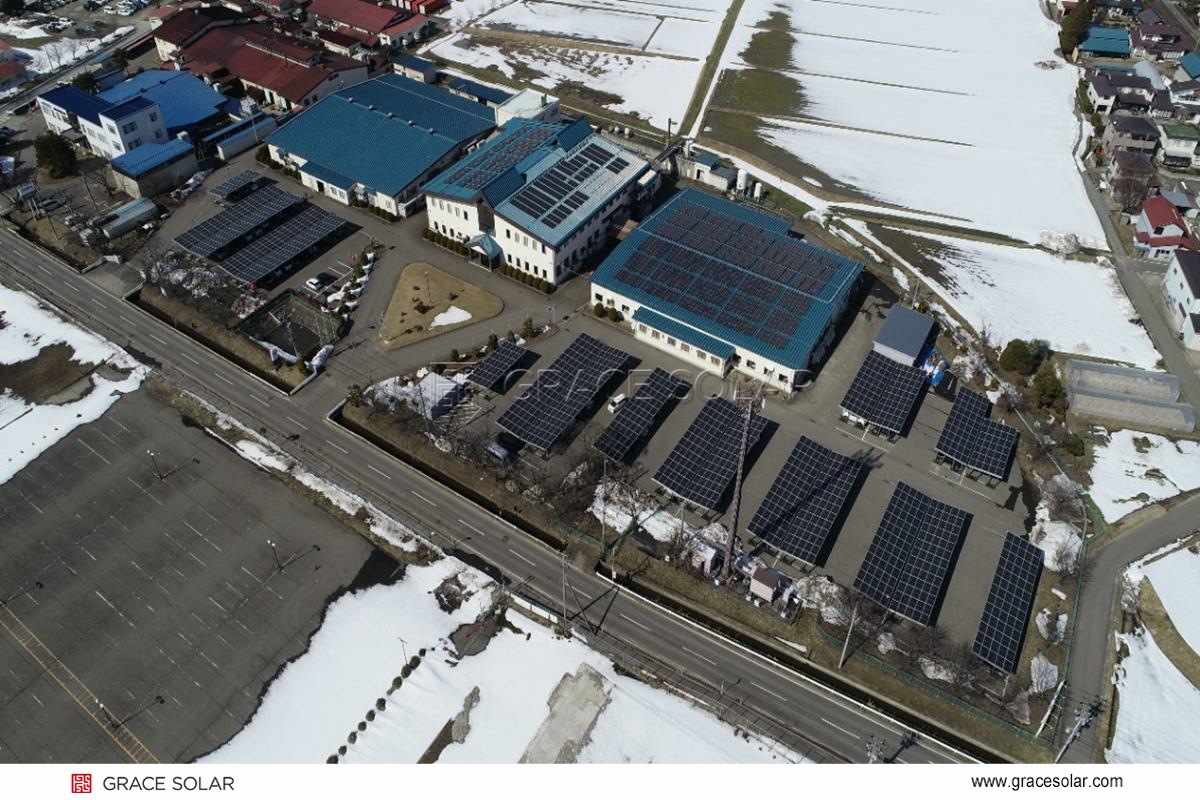
We perform structural calculations on the bracket based on local conditions such as wind speed, snow accumulation, and installation angle, in accordance with applicable building load specifications, to ensure it meets design requirements. For example, if the wind and snow loads are too high, we can increase the structural stability by adding an additional support point.
3. Deformation Under Extreme Heat?
Thermal expansion and contraction are primarily controlled by factors such as length and temperature. Purlins are the longest components of the structure, so we ensure gaps between them during installation to prevent structural damage from thermal expansion and contraction. We also conduct heating analysis experiments on aluminum alloy products to confirm deformation.
4. Unstable Rough Terrain?
The more accurate the environmental parameters provided during the design, the more stable the aluminum alloy bracket will be after installation. For example, on rugged terrain, we will perform slope wind load increase calculations to ensure strength.
Spotlight News
-
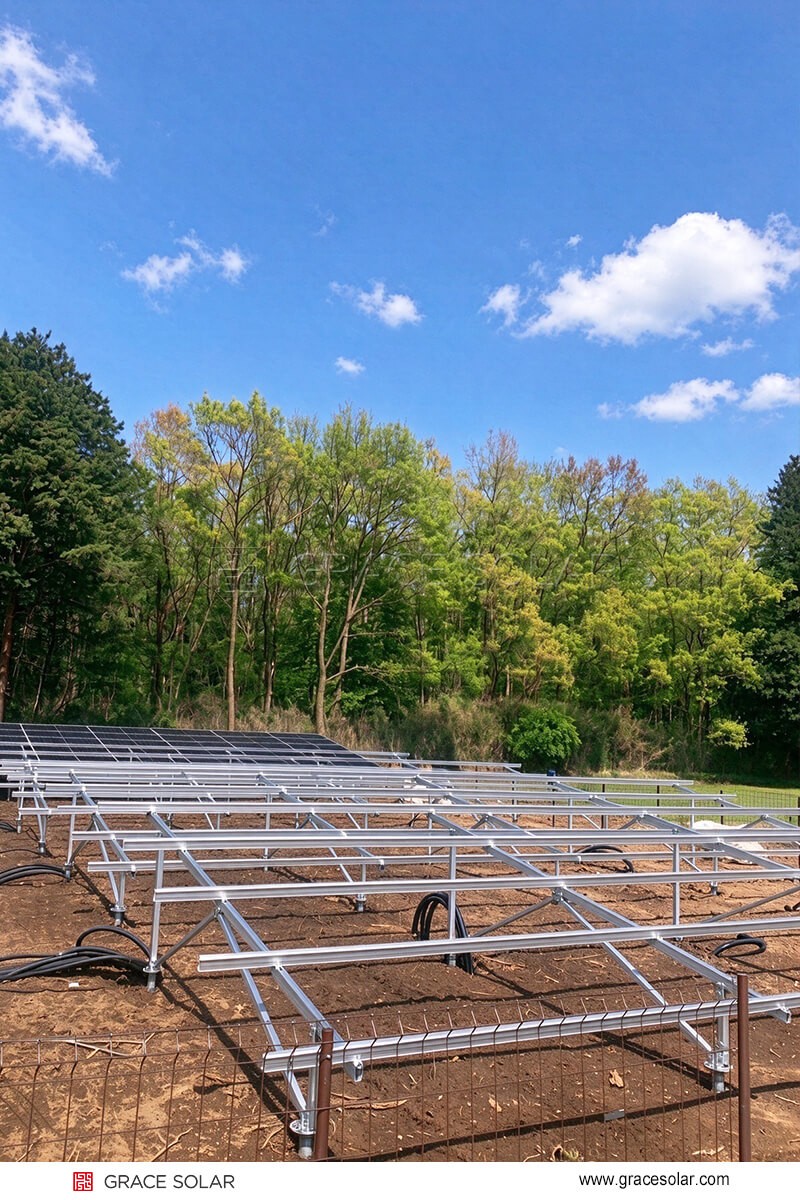
Project Spotlight | Japan PV Practice: Grace Solar Supports Ibaraki's Green Upgrade
2026-10-19 -
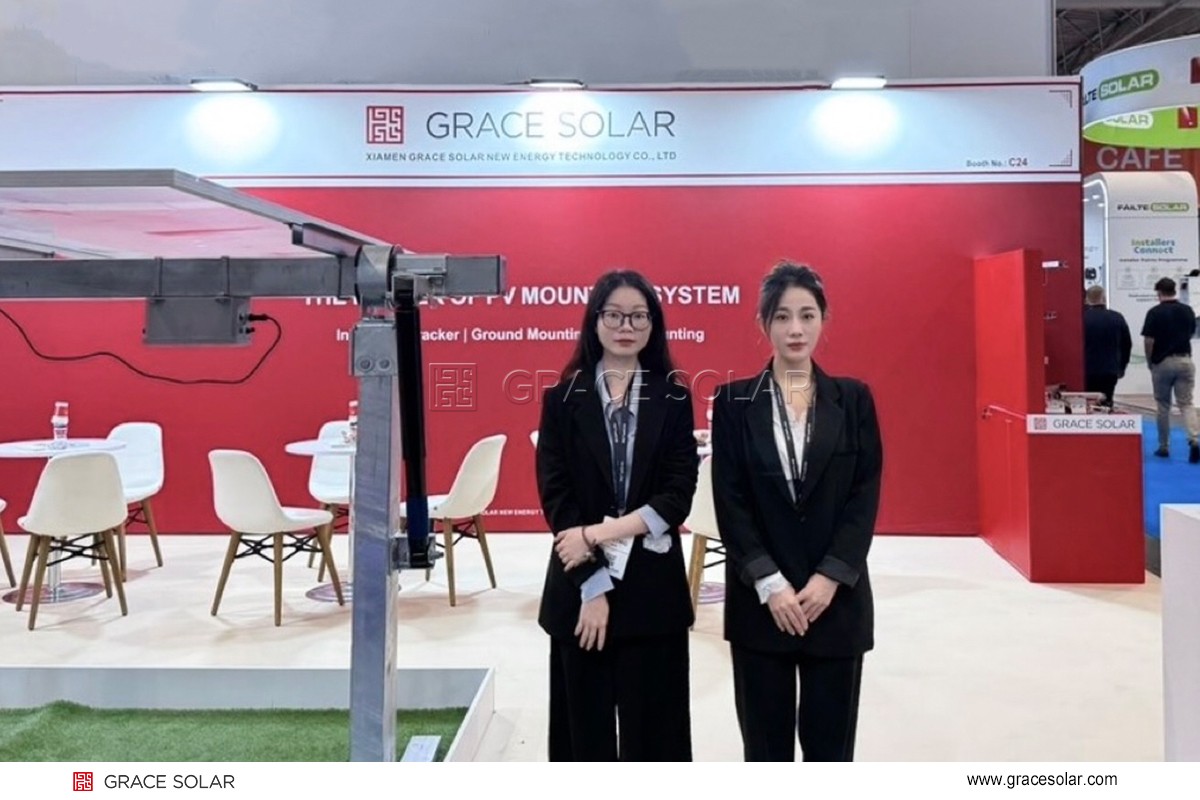
Expo Focus | A Quick Look at Grace Solar at Solar & Storage Live: Full-Scenario Solutions
2026-09-24 -
Project Spotlight|Grace Solar Carbon Steel Mounting System Powers Low-Carbon Development in Chiba, Japan
2026-09-15