
Japan’s Solar Revolution: How This No-Drill Roof Tech Survived 60m/s Typhoons?
 Publish Time:2025-03-21
 Sources:
Japan’s Solar Boom Meets Extreme Weather: The Rise of Typhoon-Proof Mounting Systems
As Japan accelerates its renewable energy transition to meet 2030 carbon neutrality goals, rooftop solar installations have surged—but so have challenges. Recent typhoons like Hagibis (2019) and Jebi (2018), with winds exceeding 50m/s, exposed vulnerabilities in traditional solar mounting systems. Enter Grace Solar’s Standing Seam Roof Clamp, a game-changer for Japan’s disaster-prone architecture.
Why Japan Needs Smarter Roof Solutions
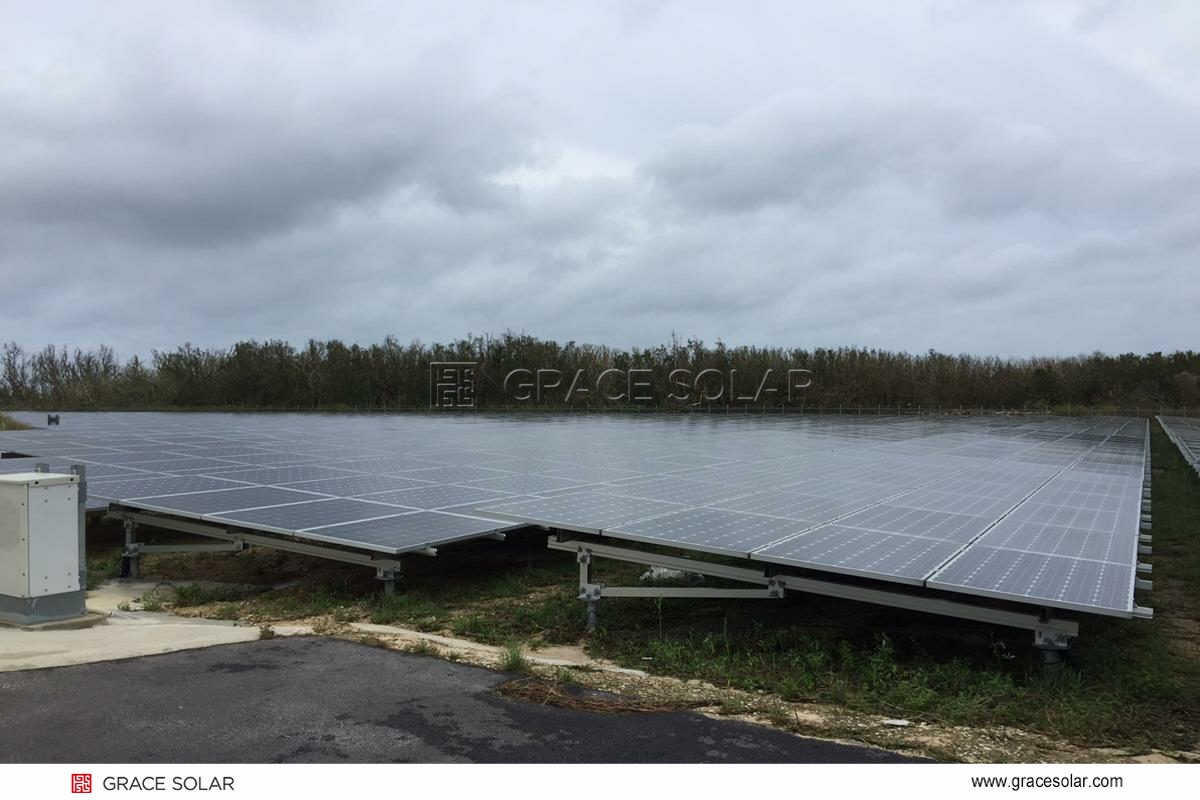
Japan’s rooftops are dominated by standing seam metal roofs, prized for their durability against earthquakes and heavy snow. However, conventional drilling-based solar mounts risk leaks and structural weakening—a critical flaw in typhoon season. Grace Solar’s no-drill clamp system eliminates these risks by gripping seams directly, achieving a 60m/s wind resistance rating (AS/NZS/EN certified).
The Tech Behind the Resilience
-
Pre-Assembled Design: Reduces installation time by 40%, critical for Japan’s labor-strapped construction sector.
-
Frameless Panel Compatibility: Perfect for sleek residential designs trending in Tokyo and Osaka.
-
1.4KN/m² Snow Load Capacity: Withstands Hokkaido’s harsh winters.
-
10-Year Warranty: Backed by TUV and JIS certifications, trusted by Japanese contractors.
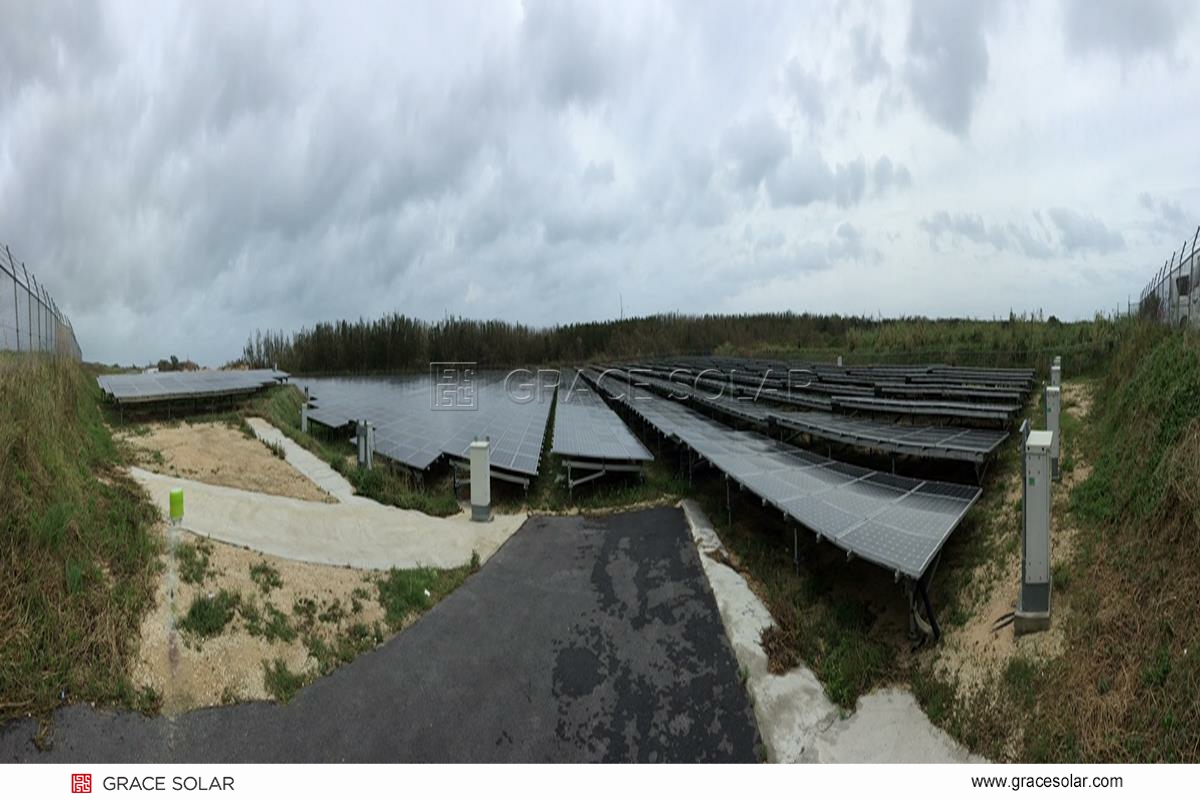
Case Study: Osaka Logistics Hub Survives Typhoon Nanmadol
A 2MW commercial project using Grace Solar’s clamps endured 2022’s Typhoon Nanmadol (55m/s gusts) without panel loss—a feat that boosted demand from Japanese firms prioritizing disaster resilience.
Global Trends, Local Wins
While flat-roof systems dominate in Europe, Japan’s pitched metal roofs demand specialized solutions. Grace Solar’s GS-Energy Roof Mounting System now holds 32% of Japan’s metal roof solar market, outperforming local brands with its hybrid aluminum-stainless steel construction.
Pro Tip: For homeowners, the clamp system’s “parallel roof” design (10°–60° tilt) maximizes energy yield without costly roof modifications—key as Japan’s feed-in-tariff rates decline.