
India mandates co-locating energy storage with solar projects
 Publish Time:2025-02-20
 Sources:
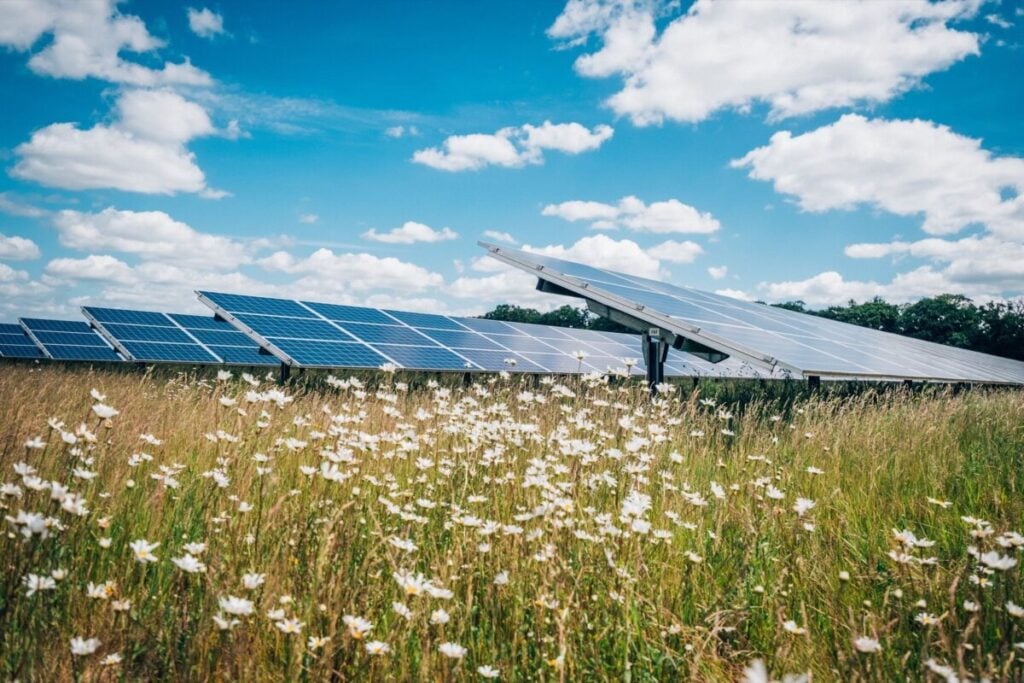
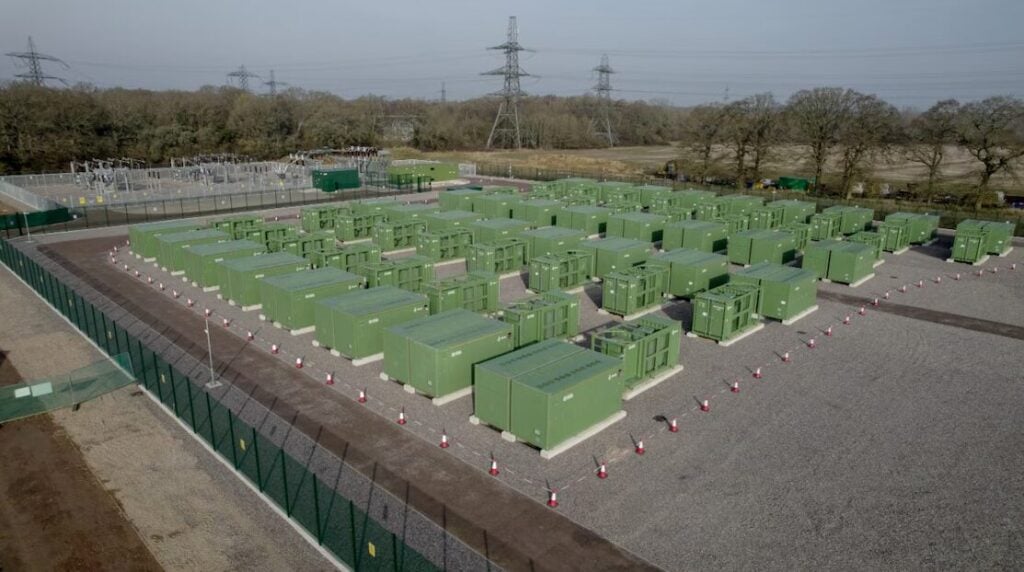
India mandates co-locating energy storage with solar projects India’s Ministry of Power has mandated all renewable energy implementing agencies and state utilities must incorporate a minimum of two-hour co-located energy storage systems (ESS), equivalent to 10% of the installed solar project capacity, in future solar tenders. February 20, 2025 Uma Gupta Energy Storage Installations Policy Utility Scale PV Utility Scale Storage India Image: Anesco Share From pv magazine India India‘s Ministry of Power has mandated all renewable energy implementing agencies and state utilities must incorporate a minimum of two-hour co-located energy storage systems (ESS), equivalent to 10% of the installed solar project capacity, in future solar tenders. The ministry said this requirement will help mitigate intermittency issues and provide critical support during peak demand periods. It added that distribution licensees could also consider mandating two-hour storage with rooftop solar installations. With implementation of the proposed storage under this clause, the government expects around 14 GW/28 GWh of storage to be installed by 2030. India's current installed ESS capacity, as of Dec. 31, 2024, stands at 4.86 GW, consisting 4.75 GW of pumped storage (PSP) and 0.11 GW of battery energy storage system (BESS) projects. India is targeting non-fossil fuel capacity of 500 GW by 2030. To achieve this goal, the capacity of variable renewable energy sources such as solar and wind needs to be enhanced significantly. This can pose significant challenges to grid stability, as these variable renewable energy sources are intermittent. In this context, energy storage systems (ESS) would be essential to ensure grid stability, reliability, and optimal energy utilization. ESS can help address the intermittency challenges of renewable energy projects, by storing excess energy for use during low generation hours, thus ensuring a more reliable and stable grid. In order to integrate the 364 GW of solar and 121 GW of wind capacity by 2031-32 outlined in the Central Electricity Authority's National Electricity Plan, India would require 73.93 GW/411.4 GWh of storage capacity (26.69 GW/175.18 GWh from PSP and 47.24 GW/236.22 GWh from BESS). This content is protected by copyright and may not be reused. If you want to cooperate with us and would like to reuse some of our content, please contact: editors@pv-magazine.com. US-based company introduces new solar carports 19 February 2025 Brooklyn Solar Company announced a new post-truss, cantilever and wood-post solar carports.This content was collected from the Internet. If you want to it, please contact grace solar management.