
Solar Energy UK: capping solar and BESS risks £26 billion investment
 Publish Time:2025-02-08
 Sources:
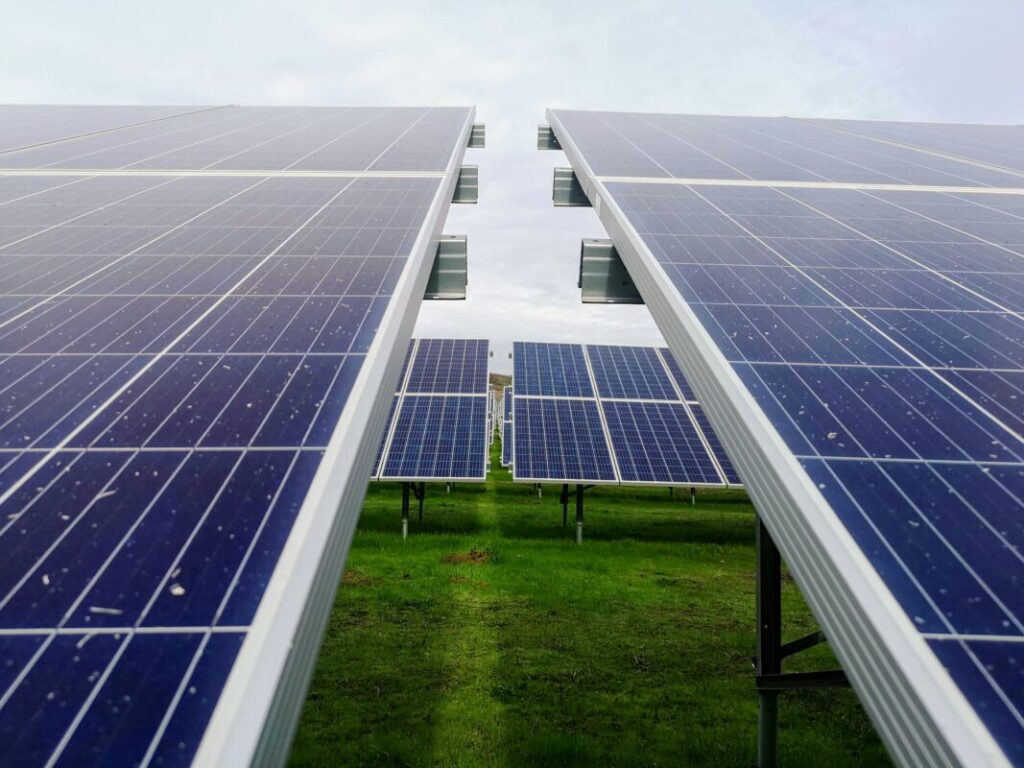 The trade group warns that billions in investment could be lost to capacity limits post-2030. Image: Mariana Proença via Unsplash.
Solar industry trade group Solar Energy UK has penned an open letter to energy secretary Ed Miliband, warning that slowing the pace of solar investment after 2030 could be disastrous for the UK’s investment landscape.
The letter, signed by Solar Energy UK’s chief utive Chris Hewett and supported by members including Low Carbon, EDF Renewables, Boom Power, and Innova Renewables, notes that the government’s Clean Power 2030 Action Plan (CPAP) will choke investment in ground-mounted solar development and virtually block investment in battery energy storage systems (BESS) after 2030.
Solar Energy UK estimates that the UK currently has approximately 20.2GW of solar capacity online, and an annexe to the CPAP predicts that Britain’s capacity will rise to 47GW, plus another 9-10GW of systems under 5MW, mostly made of rooftop installations. Deployment is then expected to slow down, with an additional 22.24GW of solar installations predicted by 2035.
By 2030, around 27.1GW of BESS capacity is expected to be online, up from roughly 5GW today. However, only an additional 1.6GW is predicted to be installed between 2030 and 2035, something which Solar Energy UK suggests is a risk to developer investment and could threaten as much as £26 billion of investment post-2030.
The signatories of the letter are urging governmental officials to raise the 2035 cap for solar connected to the transmission grid from its current level of 17GW while also raising the cap for battery connections. The letter states that “Failure to do so will lead to poor outcomes for industry, government targets, and for consumers through higher CfD prices and higher energy bills”, adding: “We would also ask if there are any mechanisms in place for government to hold NESO acable, to avoid these contradictions repeating again in the future”.
While the 2035 targets are expected to be replaced by new thresholds set by the upcoming Strategic Spatial Energy Plan, due to be released in late 2026, Solar Energy UK states that this will not leave enough time to get projects consented and constructed between now and 2035. “The current plan will, therefore, cause an investment hiatus now and a hiatus of projects connecting in the early 2030s,” says the letter.
This content was collected from the Internet. If you want to it, please contact grace solar management.