
Greece installs 2.6 GW of PV capacity in 2024
 Publish Time:2025-02-05
 Sources:
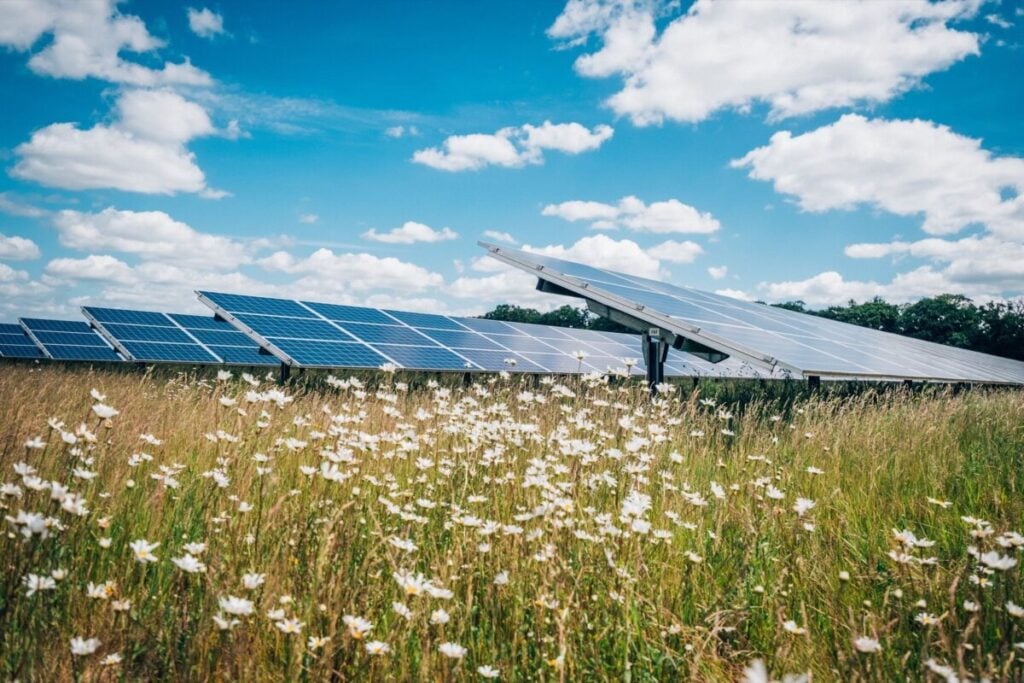
Greece installs 2.6 GW of PV capacity in 2024 Greece deployed 2.6 GW of solar in 2024, bringing its cumulative installed PV capacity to 9.6 GW by the end of December. February 5, 2025 Ilias Tsagas Commercial & Industrial PV Markets Residential PV Utility Scale PV Greece Image: Hendrikje Glauner, Unsplash Share Greece installed a record 2.572 GW of PV capacity in 2024, about 1 GW more than the previous year. In 2023, the ry added 1.59 GW of PV capacity. The ry connected 1,772 MW of the new capacity to the transmission system and 800 MW to the distribution systems in 2024. The added capacity includes systems from various segments of the PV market. Self-consumption net-metered systems added 400 MW of PV capacity, with another 500 MW expected from small solar projects, including energy community parks and farmer-specific projects. These projects received stable feed-in tariff contracts until May 31, after which they must enter competitive tenders for market-driven contracts. Despite the May 31 deadline, Greece is likely to continue adding such projects in 2025 due to delays by the ry’s distribution grid operator in electrifying these projects – a well-documented issue. The remaining capacity built in 2024 consists of projects under private power purchase agreements (PPAs) or those participating directly in the electricity market. Stelios Psomas, policy officer for the Hellenic Association of Photovoltaic Companies (Helapco), told pv magazine that projects selling power directly to the spot markets last year earned higher prices than Greece’s feed-in tariffs, premium tariffs, or known PPA prices. Psomas added that the average price in Greece’s day-ahead electricity market in 2024 was €100.9 per MWh, while the average capture price for photovoltaics was €73 per MWh. Greece currently operates around 9.6 GW of PV systems. Renewable progress Green Tank, an Athens-based think tank, said that the ry met 50.5% of its electricity needs in 2024 with renewable energy sources, including solar, wind, and large hydro. Its report is based on data from Greece's transmission and distribution operators and the ry's renewable energy sources operator, Dapeep. National electricity demand rose by 5.5% in 2024, following two years of declining demand. However, the increase was largely met with natural gas, rather than growing clean energy sources. Renewable energy, excluding large hydro, generated 25,269 GWh of electricity, leading the list. Natural gas produced 21,343 GWh, followed by diesel with 3,860 GWh, mainly on the Greek islands. Large hydro plants generated 3,482 GWh, and lignite contributed just 3,236 GWh, highlighting its decreasing role in Greece's energy mix. Greece also became a net exporter of electricity last year, exporting 307 GWh. The last time Greece was a net exporter was in 2000, with a mere 11 GWh. Curtailment concerns The Greek energy regulator said that the ry curtailed about 900 GWh of green energy last year, or 3.5% of its renewable electricity. While this figure may seem low compared to other ries, local generators are concerned as it marks a significant increase from 2023, when Greece curtailed only 228 GWh. The Greek parliament passed a law in 2024 requiring all renewable energy plants larger than 400 kW to install equipment that allows the distribution grid operator, HEDNO, to remotely control solar project output and adjust electricity injected into the grid. Currently, HEDNO either permits solar parks to connect to the network or disconnects them entirely. Solar farms larger than 1 MW were required to install this equipment by the end of 2024, while parks between 400 kW and 1 MW must install it by Feb. 13. This content is protected by copyright and may not be reused. If you want to cooperate with us and would like to reuse some of our content, please contact: editors@pv-magazine.com. A 920% tariff on anode materials from China ‘would throw the economics of U.S. storage out of whack’ 03 February 2025 Battery installations in the U.S. are threatened by the imposition of anti-dumping, ervailing duties on active anode materials. The supply chain...This content was collected from the Internet. If you want to it, please contact grace solar management.