
Solar energy is the most promising source of renewable energy
 Publish Time:2023-03-17
 Sources:
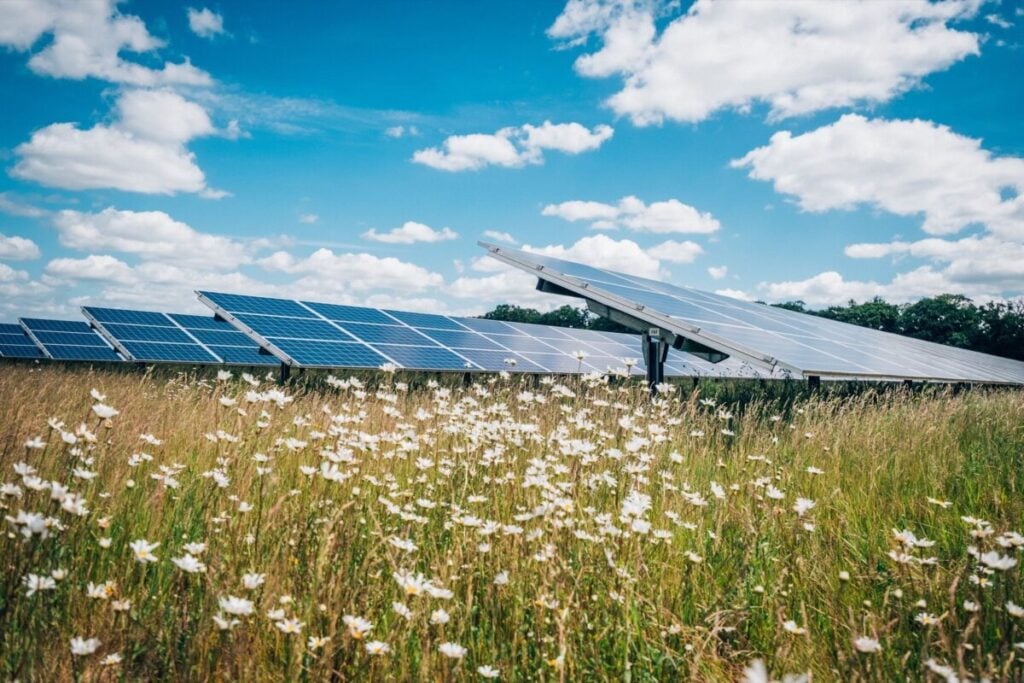
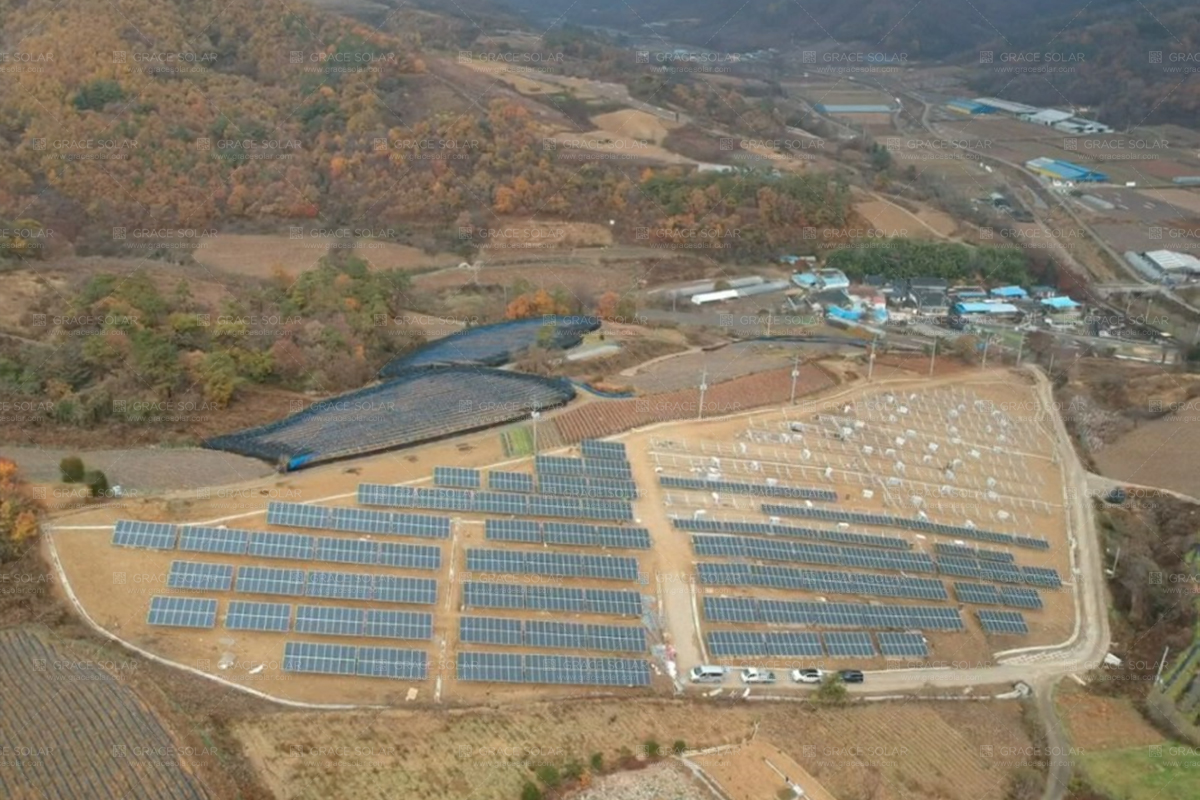
Solar energy is the most promising source of renewable energy that meets the energy need of the world. It is a clean and sustainable way of generating electricity that has already surpassed other sources of green energy in its adoption rate. One of the crucial components of the solar power plant is the solar mounting system, which supports the solar panel and keeps it in the position that maximizes energy production. In recent times, the solar mount system has undergone significant developments to make it more robust, cost-effective, and efficient. Here are some of the future development trends of the global solar mount system:
 Integration of IoT and AI: The integration of the Internet of Things (IoT) and Artificial intelligence (AI) into the solar mounting system enables better monitoring and control of the solar panel's position and angle. AI algorithms can determine the optimal position of solar panels based on weather patterns, climate conditions, and other parameters. When such information is fed into the IoT-enabled mounting system, it can adjust the position of the solar panels accordingly, leading to more power generation and improved efficiency.
Lightweight and durable materials: The use of lightweight and durable materials, such as carbon fiber or aluminium, is becoming increasingly popular in constructing solar mount systems. These materials are far lighter than traditional steel or aluminum mounting systems, making them easier to transport, install, and maintain while reducing installation costs. Additionally, they are more resistant to wear and tear, which increases the lifespan of the solar mount system.
Bifacial solar panels: Bifacial solar panels are photovoltaic cells that can generate electricity on both sides, providing an opportunity to capture more energy in the same footprint. The mounting systems for bifacial panels can be specialized to maximize sunlight exposure on both sides of the panel, leading to increased power generation.
Customization and adaptability: Customizable solar mount systems allow designers to adapt installations to suit environmental changes and specific site requirements. Adaptability is an essential trait for solar mount systems that must remain functional during harsh weather, including strong winds, heavy snowfall, and extreme heat.
Modular designs: Modular solar mount systems can be easily scaled up or down to meet the needs of specific applications. They offer a standardized and pre-engineered design component that makes the system more predictable, reliable, and lower in cost.
Consistent streamlining: Automating processes and tools results in faster processes, less touch time, less miscommunication and errors, and faster construction schedules. Streamlining design and manufacturing processes along with increased industrialization of the solar mounting systems allows for standardizing procedures, using quality materials and ensuring uniformity in every installation.
In conclusion, the above trends highlight the future development trends for the global solar mount system. The solar mount system will continue to evolve based on new advances in technology and the increased demand for sustainable energy. The industry's future development aims to maximize the solar energy technology with cost-effective and efficient solutions that make solar energy more competitive on the energy market.
Lightweight and durable materials: The use of lightweight and durable materials, such as carbon fiber or aluminium, is becoming increasingly popular in constructing solar mount systems. These materials are far lighter than traditional steel or aluminum mounting systems, making them easier to transport, install, and maintain while reducing installation costs. Additionally, they are more resistant to wear and tear, which increases the lifespan of the solar mount system.
Bifacial solar panels: Bifacial solar panels are photovoltaic cells that can generate electricity on both sides, providing an opportunity to capture more energy in the same footprint. The mounting systems for bifacial panels can be specialized to maximize sunlight exposure on both sides of the panel, leading to increased power generation.
Customization and adaptability: Customizable solar mount systems allow designers to adapt installations to suit environmental changes and specific site requirements. Adaptability is an essential trait for solar mount systems that must remain functional during harsh weather, including strong winds, heavy snowfall, and extreme heat.
Modular designs: Modular solar mount systems can be easily scaled up or down to meet the needs of specific applications. They offer a standardized and pre-engineered design component that makes the system more predictable, reliable, and lower in cost.
Consistent streamlining: Automating processes and tools results in faster processes, less touch time, less miscommunication and errors, and faster construction schedules. Streamlining design and manufacturing processes along with increased industrialization of the solar mounting systems allows for standardizing procedures, using quality materials and ensuring uniformity in every installation.
In conclusion, the above trends highlight the future development trends for the global solar mount system. The solar mount system will continue to evolve based on new advances in technology and the increased demand for sustainable energy. The industry's future development aims to maximize the solar energy technology with cost-effective and efficient solutions that make solar energy more competitive on the energy market.